
What Accutane Really Does to Skin
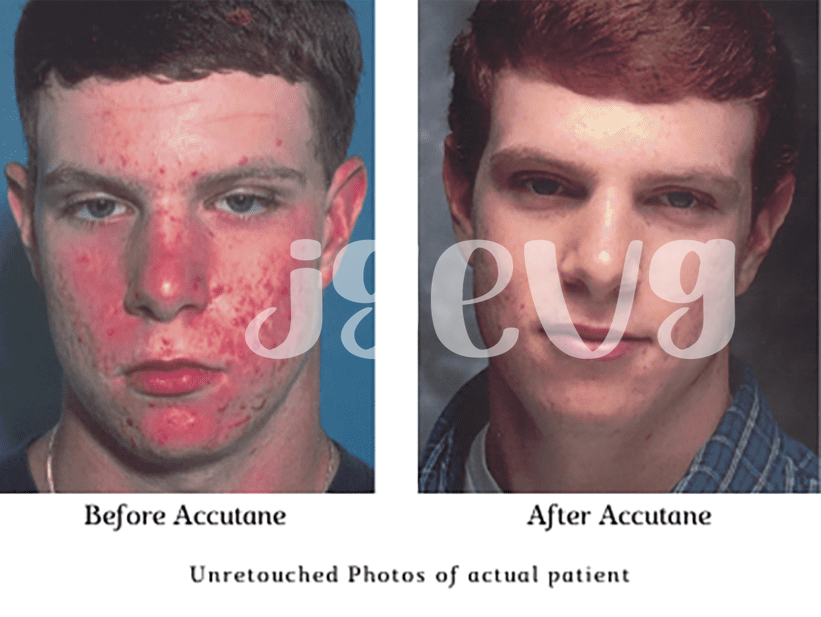
Accutane works by targeting the source of stubborn acne: overactive oil glands. It shrinks sebaceous glands, lowering the amount of sebum that can clog pores and feed acne-causing bacteria. As oil production drops, inflammation often calms too, which is why skin can gradually look clearer and less reactive. For many people, this shift feels almost dramatic after months of breakouts.
At first, though, the skin may feel drier, tighter, and more delicate. That is not a sign the treatment is failing; it is part of how the medicine changes the skin’s environment. Think of it as resetting the conditions that let acne thrive.
| Change | What it means |
|---|---|
| Less oil | Fewer clogged pores |
| Less inflammation | Calmer-looking skin |
Over time, this usually means fewer new breakouts and smoother texture.
Common Side Effects: Facts Versus Fear
Most people on accutane notice a few predictable changes as treatment begins. Dry lips, flaky skin, and dry eyes are the most common complaints, and they usually reflect the medication’s strong effect on oil production. For many, these symptoms feel alarming at first, but they are typically manageable with a good moisturizer, lip balm, and gentle cleanser.
Other issues can include nosebleeds, mild joint soreness, or temporary skin irritation. These side effects may sound severe in online stories, yet they are often dose-related and improve with simple adjustments. Regular check-ins with a dermatologist help keep treatment on track and prevent small discomforts from becoming bigger worries.
The key is separating normal discomfort from true danger. Accutane can be intense, but most side effects are expected, not signs that something is wrong. With proper guidance and realistic expectations, patients can focus less on fear and more on progress.
Fertility, Pregnancy, and Accutane Safety
Accutane is one of the most effective acne treatments, but its safety profile makes careful planning essential. For people who could become pregnant, doctors require strict birth control because the medication can cause severe birth defects even at low exposure. That is why pregnancy tests are usually done before treatment, during therapy, and after it ends.
A common myth is that accutane harms future fertility. Current evidence does not show that it causes infertility in men or women. What matters is avoiding pregnancy while taking it and waiting the recommended time after the last dose before trying to conceive. This guidance is about protecting a future baby, not your long-term ability to have one.
Patients often feel scared by warnings, but those precautions are there because the risk is real. With honest conversations, reliable contraception, and regular check-ins, accutane can be used safely and responsibly.
Depression Myths and Mental Health Concerns

Accutane has long been surrounded by fears that it automatically causes depression, but the reality is more nuanced. Acne itself can deeply affect self-esteem, social confidence, and mood, so many people begin treatment already feeling emotionally worn down. When symptoms change during accutane use, it is important to pay attention, yet it does not mean the medication is always the cause.
Most dermatologists advise monitoring mental health closely rather than assuming the worst. If sadness, anxiety, or mood changes appear, open communication with a doctor helps separate coincidence from concern. For many patients, accutane can actually improve emotional well-being as clearer skin brings relief, confidence, and a renewed sense of control.
Sun Sensitivity, Purging, and Daily Life
Accutane can make skin feel more reactive, so a simple routine matters. A broad-spectrum sunscreen, protective clothing, and a hat help reduce irritation when you are outside. Many people also notice dryness and tighter-feeling skin, which can make everyday activities seem a little more demanding at first.
Some users worry that new breakouts mean the medication is failing, but early flare-ups can happen as the skin adjusts. With accutane, this phase is often temporary, and a dermatologist can suggest gentle cleansers, moisturizers, or other steps to keep things manageable. Listening to your skin usually makes the process easier.
| Tip | Why it helps |
|---|---|
| Moisturize often | Reduces dryness and discomfort |
| Use SPF daily | Helps protect sensitive skin |
| Keep routines gentle | Minimizes irritation |
Long-term Results and Recurrence Myths
Many people expect acne to vanish forever after Accutane, and for some, that’s exactly what happens. Its effect can be dramatic because it reduces oil production and helps reset the conditions that allow breakouts to form. Still, no treatment can promise a lifetime cure. Skin continues to change with hormones, stress, and genetics, so a small return of acne later does not mean the drug “failed.” AAD isotretinoin overview NCBI StatPearls: Isotretinoin
What matters most is perspective: many patients enjoy years of clear skin, while others may need a second course or maintenance treatment. Recurrence is not a scary exception; it is a known possibility. Instead of chasing myths, focus on follow-up care, skincare habits, and realistic expectations. That way, Accutane becomes part of a long-term strategy, not a magical one-time fix.