
Check Allergies and Ingredient Sensitivities First
Before starting Albenza, pause to examine every ingredient on the label and any past reactions you have had to medicines, dyes, or fillers. A mild rash from one drug can hint at a bigger problem with another, so it is worth telling your doctor, pharmacist, or clinic about even small symptoms. If you have ever needed emergency care for swelling, hives, wheezing, or dizziness after taking a tablet, treat that history as important.
Bring a list of all known allergies, including over-the-counter products and supplements, because hidden ingredients can trigger unexpected sensitivity. Use this quick guide to stay organized:
| Allergy clue | Why it matters |
|---|---|
| Rash | May signal intolerance |
| Swelling | Possible serious reaction |
Review Your Full Medical History Carefully
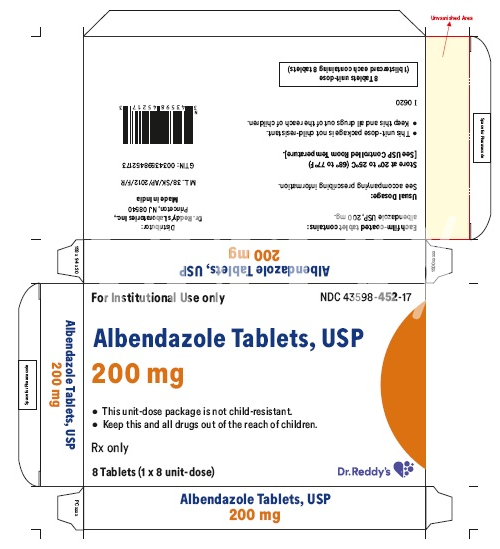
Before starting albenza, take a careful look at your medical past. Conditions such as liver disease, blood disorders, or a weakened immune system can change how safely the medicine works in your body.
It helps to share every diagnosis, surgery, and long-term treatment with your prescriber. Even problems that seem unrelated may affect how your body handles albenza and how closely you need to be monitored.
Be especially honest about any history of seizures, eye issues, or infections that have lingered. These details guide safer decisions and can prevent surprises once treatment begins.
A full medical review is not just paperwork; it is a key safety step that helps ensure the medicine is chosen, dosed, and watched in the right way.
Know Pregnancy, Breastfeeding, and Fertility Risks
Before starting albenza, it is important to discuss any chance of pregnancy with your healthcare provider. This medicine can pose risks to an unborn baby, so women who are pregnant or may become pregnant should have a careful conversation about timing, testing, and safer alternatives. Even if pregnancy seems unlikely, a quick check can prevent serious problems later. If you are planning to conceive soon, ask whether treatment should wait until after therapy is finished and your body has had time to clear the drug.
Breastfeeding also deserves attention, since small amounts of albenza may pass into breast milk and affect a nursing infant. Your doctor can help weigh the benefits of treatment against possible exposure for the baby. Fertility concerns may also matter for some people, especially if they are actively trying to start or grow a family. Clear guidance before the first dose helps protect both your health and your future plans.
Watch for Drug Interactions before Starting

Before starting Albenza, take a close look at every medicine, vitamin, and herbal product you use. Even everyday items can change how the drug works or raise the chance of side effects.
Tell your doctor about prescription treatments, over-the-counter pain relievers, seizure medicines, and supplements such as St. John’s wort. Some combinations may weaken albenza or increase stress on the body.
A pharmacist can also help spot hidden risks, especially if you take several medications each day. Bring an updated list to every appointment and include recent changes, not just long-term therapies.
This simple step can prevent avoidable problems and help Albenza work as intended.
Follow Correct Dosage and Food Instructions
Take albenza exactly as prescribed, because the dose is chosen to match your infection and your body’s needs. Skipping tablets, doubling up, or changing the schedule on your own can reduce effectiveness and raise the risk of side effects. If you miss a dose, follow your doctor’s advice rather than guessing.
Food can also matter. Many people do better when albenza is taken with a meal, especially one that includes some fat, since this may help your body absorb the medicine more effectively. Swallow the tablet with water and try to keep the routine consistent each day.
| Tip | Why it matters |
| Take as directed | Keeps treatment on track |
| Use food as advised | May improve absorption |
Recognize Warning Signs That Need Immediate Help
If you notice severe rash, swelling of the face or throat, trouble breathing, extreme dizziness, or fainting after taking Albenza, seek emergency care right away. These may signal a serious allergic reaction that can worsen quickly. Persistent vomiting, intense abdominal pain, yellowing of the skin or eyes, or dark urine also deserve prompt medical attention because they may point to liver problems. NCBI MedlinePlus
Also contact a doctor immediately if seizures, unusual bleeding, confusion, or severe weakness develop. For people being treated for certain parasitic infections, worsening headache, vision changes, or signs of infection can indicate complications that need fast evaluation. Trust your instincts: if something feels sharply wrong or symptoms escalate rather than improve, don’t wait it out. Quick action can prevent a minor reaction from becoming a medical emergency. CDC Drugs.com