

What Augmentin and Amoxicillin Actually Contain
Amoxicillin is a penicillin-type antibiotic built around one active ingredient. It works by targeting bacterial cell walls, making it a familiar choice for many common infections. Because its formula is straightforward, it is often seen as the simpler of the two medicines.
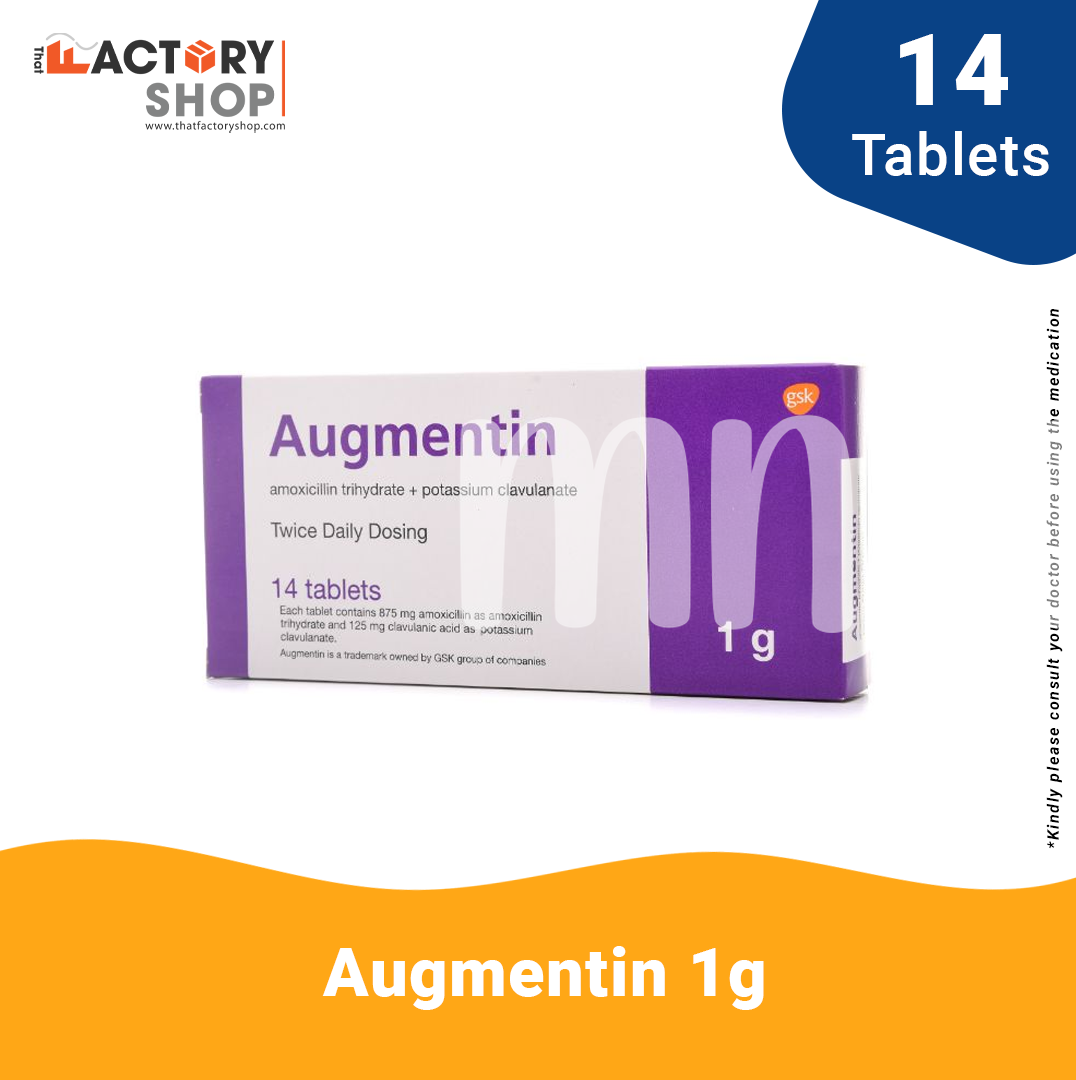
Augmentin starts with amoxicillin, but adds clavulanate potassium. That extra component is not an antibiotic on its own; instead, it helps block certain bacterial enzymes that would otherwise break down amoxicillin. This combination gives Augmentin a broader and more resilient formula.
| Medicine | Ingredients |
|---|---|
| Amoxicillin | Amoxicillin only |
| Augmentin | Amoxicillin + clavulanate potassium |
In practical terms, the difference is simple but important: one medicine relies on a single active drug, while the other pairs that drug with a protective partner. That small addition changes how each product behaves in the body and against bacteria.
How Their Antibacterial Coverage Really Differs
Amoxicillin is a broad but relatively narrow tool, especially effective against many common ear, throat, sinus, and urinary infections caused by susceptible bacteria. Its strength is that it works well when the culprit is straightforward and not protected by resistance mechanisms.
augmentin goes a step further because it pairs amoxicillin with clavulanate, a beta-lactamase inhibitor. That added ingredient helps block enzymes some bacteria use to break down the antibiotic, so Augmentin can reach germs that amoxicillin alone may miss.
In practice, this means Augmentin covers a wider range of bacteria, including more resistant strains and some sinus, bite, and respiratory infections. Amoxicillin remains the simpler choice when coverage does not need to be as broad.
When Doctors Prefer One over the Other
Doctors often choose amoxicillin for routine infections such as ear pain, strep throat, or some sinus cases because it is effective, familiar, and usually easier on the stomach. It is a common first step when the likely bacteria are straightforward.
Augmentin becomes the better option when the infection may involve resistant bacteria or when there is concern for beta-lactamase production. In these cases, the added clavulanate helps widen coverage and improve treatment success.
They may also prefer augmentin for bite wounds, recurrent sinus infections, or certain respiratory infections that have not improved with simpler therapy. The choice depends on the source of infection, local resistance patterns, and the patient’s history.
For doctors, the decision is not about strength alone. It is about matching the drug to the likely bacteria while balancing effectiveness, safety, and the patient’s ability to tolerate treatment.
Side Effects and Tolerability Compared Side by Side
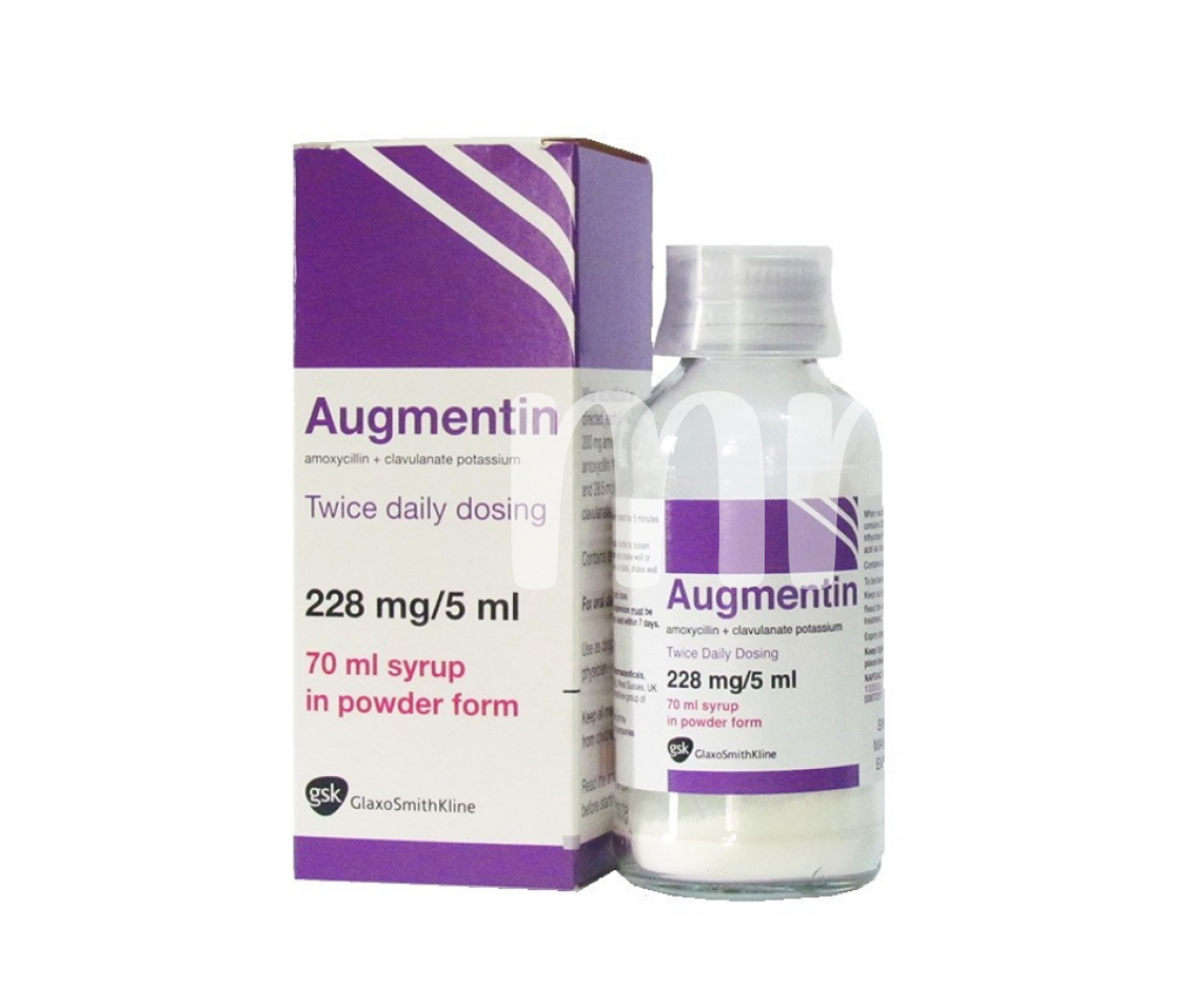
Augmentin often feels a bit harder on the stomach than amoxicillin because of the added clavulanate. Some people notice nausea, loose stools, or a mild upset stomach soon after taking it. These effects are usually temporary, but they can make the medicine less comfortable to use.
Amoxicillin is generally better tolerated and is often the simpler choice when it can treat the infection. It may still cause rash, diarrhea, or yeast-related symptoms, but these are typically less frequent. Both medicines can trigger allergic reactions, especially in people with penicillin sensitivity.
Taking either antibiotic with food may reduce stomach irritation, though it does not eliminate side effects completely. Good hydration and following the prescribed schedule can also improve tolerability. If symptoms become severe, medical advice is important.
In practice, doctors weigh effectiveness against comfort. Augmentin may offer broader coverage, yet amoxicillin often wins on ease of use. The best option depends on the infection and how well the patient tolerates treatment.
Dosage Forms, Strengths, and Practical Use
Augmentin comes in tablets, chewable tablets, oral suspension, and some IV formulations, giving clinicians flexibility for adults, children, and patients who have trouble swallowing. Amoxicillin is available in capsules, tablets, chewables, and liquid forms too, but its simpler range often makes it easier to match to routine infections. In practice, the choice often depends on the needed dose, age, and how quickly treatment must start.
Strengths vary widely, so the prescription can be tailored to the infection and the patient’s weight or kidney function. The table below gives a quick snapshot:
| Medicine | Common forms | Typical use |
|---|---|---|
| Augmentin | Tablet, suspension | Broader coverage |
| Amoxicillin | Capsule, suspension | Standard infections |
Cost, Availability, and Prescription Considerations
When people compare these antibiotics at the pharmacy counter, the price gap is often the first thing they notice. Generic amoxicillin is usually the more budget-friendly option, while Augmentin tends to cost more because it combines two active ingredients. Even so, insurance plans may narrow that difference, and local pricing can vary widely.
Both medicines are widely available, but access depends on national regulations and stock levels. In many places, amoxicillin is easier to find in multiple strengths and formulations, making it a familiar choice for routine infections. Augmentin is also common, though some pharmacies may carry fewer versions.
A prescription is required for both, which helps ensure the right drug is chosen for the suspected infection. Doctors consider allergy history, prior antibiotic use, and how likely resistant bacteria may be. That judgment often shapes whether a simpler, less expensive option is enough or a broader one is worth the extra cost.
For patients, the best choice is rarely about price alone. It is about matching treatment to the infection, reducing unnecessary exposure, and avoiding antibiotics that are broader than needed. When used appropriately, either option can fit practical treatment needs well.