

What Buspar Does and How It Works
Buspirone is a medication often prescribed for generalized anxiety, especially when constant worry begins to crowd out sleep, focus, and calm. Instead of acting like a sedative, it helps balance brain signals tied to anxiety, so relief tends to build gradually rather than hitting all at once.
Because it works on serotonin and dopamine pathways, Buspar can feel subtle at first, but many people notice they are less on edge over time. It is usually taken regularly, not just when symptoms flare, which makes consistency an important part of treatment.
| Medication | Primary Effect |
| Buspar | Reduces anxiety gradually |
How Alcohol Interacts with Buspar
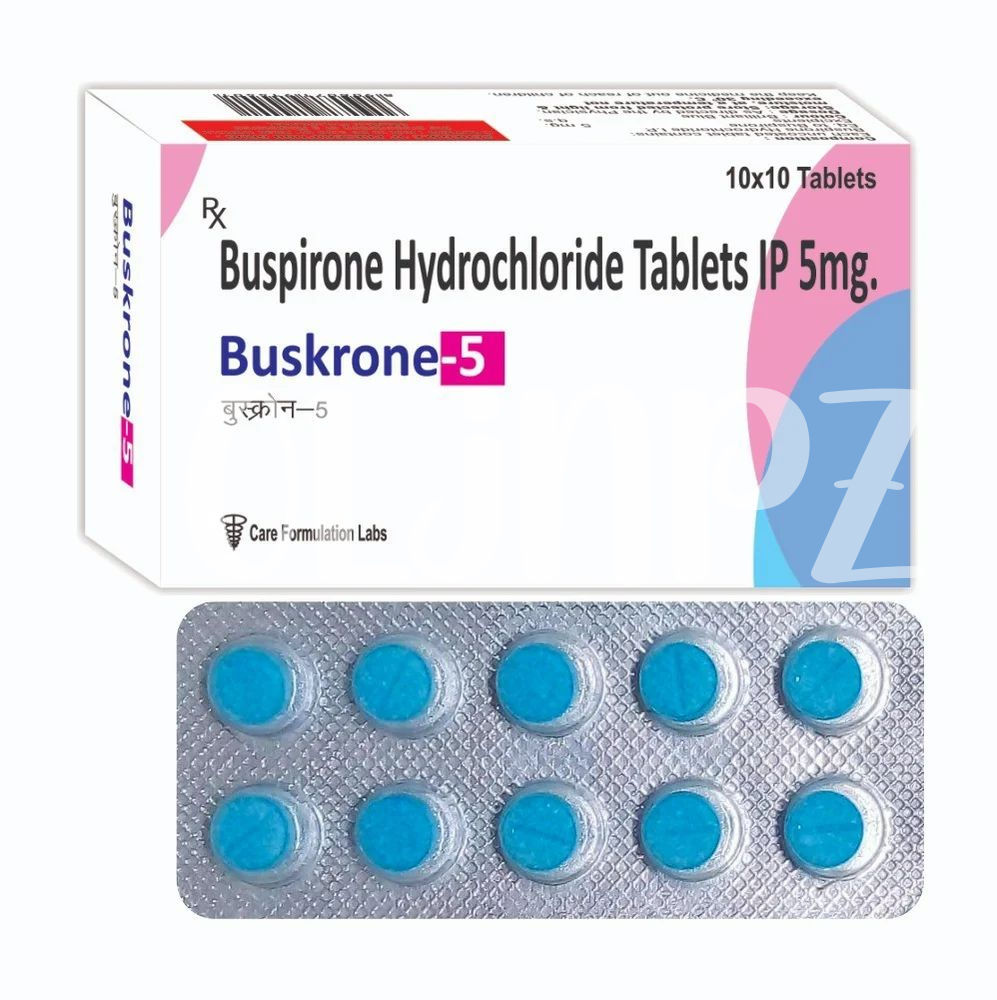
Buspar and alcohol can affect the body in ways that feel subtle at first. buspar is not usually known for heavy sedation, but alcohol can still intensify dizziness, lightheadedness, and slowed reaction time. For some people, the mix may also make it harder to focus, think clearly, or keep balance, especially if they drink more than a small amount. Even if buspar is often considered less risky than many other anxiety medications, alcohol can still change how your body responds to it.
Another concern is that alcohol may blunt the benefits of buspar by worsening anxiety and sleep over time. Someone might feel relaxed for a moment, then notice rebound nervousness later as the alcohol wears off. That push-pull effect can make treatment feel less stable and more unpredictable. Because reactions vary from person to person, it is safest to be cautious and pay attention to how your body responds.
Common Side Effects When Combined
Mixing alcohol with buspar can make everyday side effects feel stronger and harder to ignore. You may notice dizziness, drowsiness, lightheadedness, nausea, or trouble focusing, especially if you drink more than expected or stand up too quickly. For some people, the combination also brings a sense of imbalance or slowed reaction time, which can turn routine tasks into risky ones.
These effects may seem mild at first, but they can quietly interfere with driving, working, or even having a normal conversation. Alcohol can also blur the line between anxiety relief and impairment, making it harder to tell what buspar is doing versus what the drink is adding.
Warning Signs of Dangerous Reactions
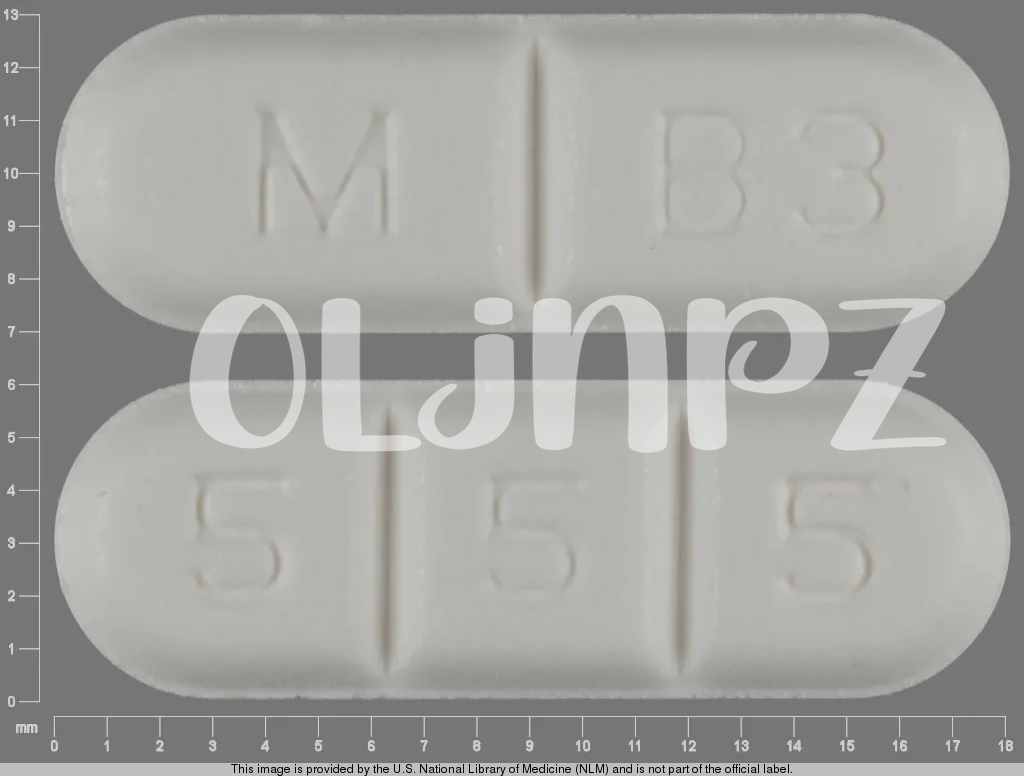
If buspar and alcohol are mixed, a mild buzz can quickly turn into something more alarming. Watch for extreme drowsiness, confusion, blurred vision, or trouble walking steadily. These signs may seem like simple intoxication at first, but they can signal that the body is struggling to process both substances at once.
More serious reactions include fainting, vomiting, a racing heartbeat, or unusual agitation. If someone becomes hard to wake, breathes slowly, or seems disoriented, get medical help right away. Acting early can prevent a bad situation from becoming an emergency.
Who Should Avoid Mixing Them
People taking buspar for anxiety should be especially cautious if they already feel dizzy, sleepy, or unsteady. Alcohol can intensify those effects, making everyday tasks like driving, climbing stairs, or focusing at work feel harder and less safe. Anyone with a history of substance misuse should also think twice, since drinking may quietly undermine treatment and blur judgment.
A simple table can help summarize risk: those with liver problems, people on other sedating medicines, and anyone who notices strong side effects should avoid mixing buspar with alcohol. If your body reacts quickly to small amounts of alcohol, it is wiser to skip drinks altogether and ask a healthcare professional for guidance.
Safer Choices for Drinking While on Buspar
If you choose to drink while taking Buspar, keep it light and intentional. A single small drink, taken slowly with food and water, is generally less likely to cause problems than several rounds or mixed cocktails. Many people find that a low-alcohol option, like a small beer or a wine spritzer, feels easier on the body than strong drinks. The key is to avoid turning a casual toast into a night of heavy drinking, because even moderate alcohol can make dizziness, drowsiness, and poor coordination more noticeable.
It also helps to plan ahead. Try your first drink on a day when you can stay home, and notice how your body reacts before making it a habit. If you feel unusually sleepy, lightheaded, or unsteady, stop there and skip driving or risky activities. For some people, the safest choice is choosing a nonalcoholic drink altogether and enjoying the social side without the side effects.