

Know When Cipro Is Truly Necessary
Cipro should only be used when a healthcare professional believes it is the right choice for a confirmed or strongly suspected bacterial infection. Because it is a powerful antibiotic, taking it for a viral illness like a cold or flu will not help and can expose you to unnecessary risks. A careful diagnosis matters, since the best treatment often depends on the specific germ involved and where the infection is located.
Before starting Cipro, ask whether a safer or narrower antibiotic could work just as well. This simple question can prevent avoidable side effects and help protect against antibiotic resistance. If your symptoms are mild, improving, or unclear, your clinician may choose to monitor you first or order tests before prescribing anything.
| Used when: | Confirmed bacterial infection |
| Not used for: | Viral colds or flu |
Check Allergies and Medication Interactions First

Before starting cipro, pause to look back at your allergy history. A past reaction to antibiotics, especially quinolones, can turn a routine prescription into a serious problem. If you have ever had hives, swelling, trouble breathing, or a severe rash after medicine, tell your clinician immediately.
Next, review every medication you take, including over-the-counter products and supplements. Cipro can interact with blood thinners, certain heart medicines, diabetes drugs, and some anti-seizure treatments, changing how they work or raising side effect risks. Even antacids, iron, zinc, and calcium can block absorption.
A quick medication check can prevent confusion later. Bring an updated list to your appointment, or use your pharmacy record if you are unsure. Mention eye drops, inhalers, herbal remedies, and recent prescriptions, because small details may matter more than you think.
When in doubt, ask a pharmacist or prescriber before taking the first dose. That simple conversation can help you avoid a dangerous reaction, make cipro work better, and give you peace of mind.
Review Health Conditions before Starting Cipro
Before starting cipro, it helps to slow down and look at the full picture of your health. Some conditions can make this antibiotic less suitable or require closer monitoring.
Tell your doctor if you have kidney disease, liver problems, seizures, tendon issues, myasthenia gravis, or a history of aneurysm. These details can shape the safest choice.
Even past health events matter. Pregnancy, breastfeeding, and diabetes may change how cipro is used, since the medicine can affect blood sugar or raise other risks.
A quick, honest review of your medical history can prevent serious complications and help cipro work as safely as possible.
Understand Common Side Effects and Warning Signs
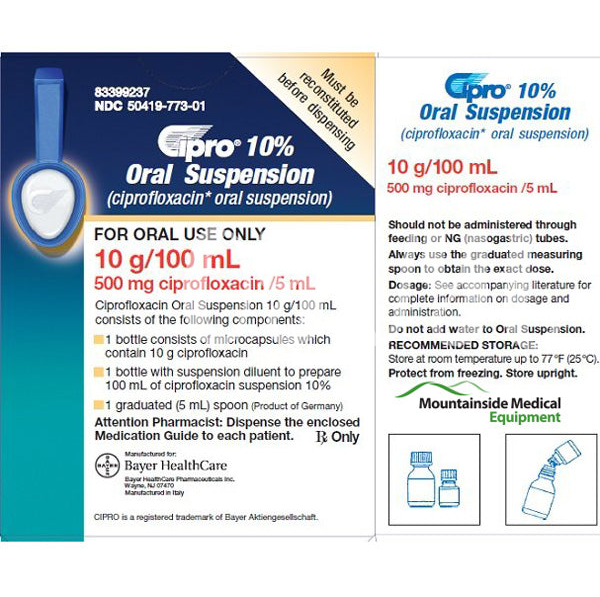
Cipro can cause mild side effects like nausea, dizziness, diarrhea, or a strange taste in the mouth. Many people notice these early and continue treatment without trouble, but it helps to stay alert.
If your stomach feels upset, try taking the medicine exactly as directed and drink plenty of water. Resting can also ease dizziness, especially when standing up quickly.
More serious warning signs need immediate attention: tendon pain, swelling, tingling, severe rash, or trouble breathing. These may signal a reaction that should not be ignored.
Listening to your body makes cipro use safer. When symptoms feel unusual or intense, contact a healthcare professional right away instead of waiting for them to pass.
Follow Dosing Rules for Safe, Effective Use
Taking cipro exactly as prescribed matters because timing and consistency help the medicine work as intended. Skip the urge to change the dose, stop early, or “catch up” by doubling pills if one is missed. Instead, take each dose at the same time every day, with a full glass of water, and follow the directions on food closely.
A simple routine can prevent mistakes and support safer treatment. Set phone reminders, keep a written schedule, and ask your pharmacist if anything on the label seems unclear. If your symptoms improve quickly, finish the full course unless your clinician says otherwise.
| Do | Why it helps |
|---|---|
| Take cipro on time | Keeps drug levels steady |
Avoid Foods, Supplements, and Activity Risks
Cipro works best when it’s not competing with calcium, iron, magnesium, zinc, antacids, or multivitamins. These can bind to the antibiotic and keep your body from absorbing enough of it. To stay on track, take Cipro at least 2 hours before or 6 hours after these products, and check labels on fortified drinks or protein shakes too. A little planning here can make a big difference in how well the treatment works.
It’s also smart to protect yourself from activity-related risks while taking Cipro. The medicine can sometimes affect tendons, making sudden strain more dangerous than usual. Avoid intense exercise, heavy lifting, or quick sprints if you notice tendon pain, swelling, or stiffness. Stay hydrated, move carefully, and listen to your body so a simple recovery doesn’t turn into a longer setback.