

Understanding Clindamycin: What Beginners Should Know
Clindamycin is an antibiotic used to treat certain bacterial infections, especially when other medicines may not work well. It works by stopping bacteria from making proteins they need to grow and spread. For beginners, it is important to know that clindamycin does not treat colds, flu, or other viral illnesses, and it should only be taken when prescribed by a healthcare professional.
It may be given for skin, dental, bone, or respiratory infections, depending on the situation. Because each infection needs a specific approach, the right dose and duration matter. Following the prescription carefully helps improve recovery and lowers the chance of resistance or unwanted side effects.
| Key Point | Why It Matters |
|---|---|
| Prescription use | Ensures the antibiotic is appropriate for the infection |
Common Clindamycin Forms and How They Differ
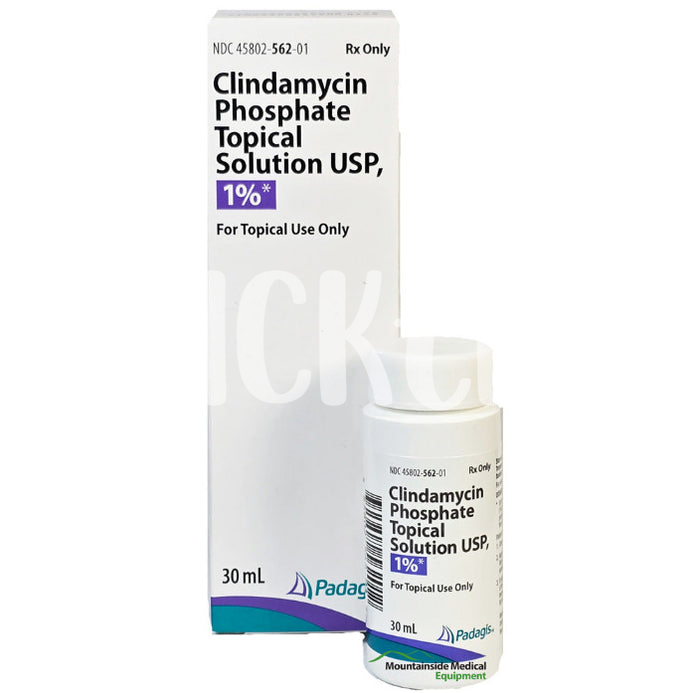
Clindamycin comes in several forms, and each one serves a different purpose. Some people take capsules or liquid by mouth for infections inside the body, while others use topical versions for skin concerns. The choice often depends on where the infection is and how serious it is.
The oral form is commonly prescribed when bacteria are affecting deeper tissues. Liquid clindamycin can help children or anyone who has trouble swallowing pills. Both deliver medicine through the bloodstream, but dosing and convenience may vary.
Topical clindamycin is usually found in gels, lotions, or solutions. It is often used for acne because it targets bacteria directly on the skin and may cause fewer whole-body effects. This makes it a practical option for milder, surface-level conditions.
Vaginal and injectable forms also exist, though they are used less often. Each version of clindamycin is designed for a specific need, so understanding the differences helps beginners follow treatment more confidently and use the medicine correctly.
Standard Dosage Guidelines for Various Conditions
Clindamycin doses vary by infection and by the form prescribed. For many adults taking oral clindamycin, doctors often use 150–450 mg every 6 to 8 hours, depending on severity. Skin, dental, and respiratory infections may need different schedules, so the prescription should always guide you.
For more serious infections, higher or more frequent doses may be chosen, sometimes starting with IV treatment in the hospital. Children usually receive a weight-based dose, carefully calculated by a clinician. This helps ensure the medicine is strong enough to work while lowering the risk of side effects.
Topical clindamycin for acne is usually applied once or twice daily, while vaginal forms follow their own instructions. Because each condition responds differently, the goal is not a “one-size-fits-all” amount but the right dose for the right problem.
Always finish the full course unless your doctor says otherwise. Taking clindamycin exactly as directed improves recovery and helps prevent the infection from coming back stronger.
How to Take Clindamycin Safely and Correctly

Take clindamycin exactly as prescribed, at the same times each day, to keep a steady level in your body. Swallow capsules with a full glass of water, and avoid lying down right after you take them. If your stomach feels sensitive, a small meal may help, but follow your pharmacist’s advice for your specific product.
Finish the full course, even if you start feeling better early. Skipping doses or stopping too soon can let the infection return and may make treatment less effective. If you use the liquid form, shake it well and measure it carefully with a proper dosing spoon or syringe.
Stay alert to your body’s response and ask a clinician if you’re unsure about food, alcohol, or other medicines. Clindamycin works best when taken consistently and with attention to the instructions on your label.
Missed Doses, Side Effects, and Warning Signs
If you realize a dose was skipped, take clindamycin as soon as you remember unless it is almost time for the next one. In that case, just continue with the regular schedule. Doubling up can raise the risk of stomach upset and other problems, so keep the timing simple and steady.
Some people handle clindamycin well, while others notice nausea, loose stools, or a metallic taste. Mild discomfort may pass on its own, but severe abdominal pain, watery diarrhea, or vomiting deserves attention. Your body often gives small clues before bigger issues appear, so pay attention early.
| What to notice | Why it matters |
|---|---|
| Mild nausea | Common and often temporary |
| Persistent diarrhea | May signal a more serious reaction |
Call a healthcare professional right away if you develop rash, swelling, trouble breathing, or diarrhea that is severe or bloody. These can be warning signs that need prompt care. Staying alert and acting quickly helps clindamycin work safely while lowering the chance of complications.
Key Tips for Better Results and Recovery
Taking clindamycin exactly as prescribed is the first step toward steady recovery. Keep doses spaced evenly, finish the full course, and pair each dose with water and, if allowed, a light snack to reduce stomach upset. Good hygiene matters too: clean the affected area gently, avoid squeezing infections, and wash hands often to prevent bacteria from spreading.
For best results, note any changes in pain, swelling, redness, or fever so you can track progress and share it with your clinician if needed. If symptoms seem to stall after a few days, do not adjust the dose on your own; instead, ask whether the treatment plan needs review. Rest, hydration, and balanced meals can also support your body while it fights infection.
Recovery is smoother when you avoid alcohol if advised, and do not combine clindamycin with other antibiotics unless prescribed. Watch for severe diarrhea, rash, or trouble breathing, which need prompt medical attention. For reliable background on clindamycin, see MedlinePlus and NCBI Bookshelf.