
Start with Gentle, Easy-to-digest Foods
When your stomach feels unsettled, begin with foods that are soft, simple, and easy to digest. Think of warm rice, plain toast, applesauce, or a ripe banana. These gentle choices give your body a little energy without asking your digestive system to work too hard, which can help you feel more comfortable while Imodium starts doing its job.
Small meals are often easier to handle than full plates. A few spoonfuls of oatmeal or mashed potatoes can be enough to settle hunger without triggering more irritation. Eating slowly and stopping before you feel too full can make recovery smoother.
| Gentle Foods | Why They Help |
| Rice | Easy to digest |
| Banana | Soft and soothing |
| Toast | Light on the stomach |
Choose Bland Meals That Calm the Stomach
When your stomach feels unsettled, simple foods can bring real comfort. Start with plain options like white rice, toast, crackers, or mashed potatoes, which are easy to digest and less likely to trigger irritation. A warm bowl of broth-based soup can also feel soothing while providing a little nourishment.
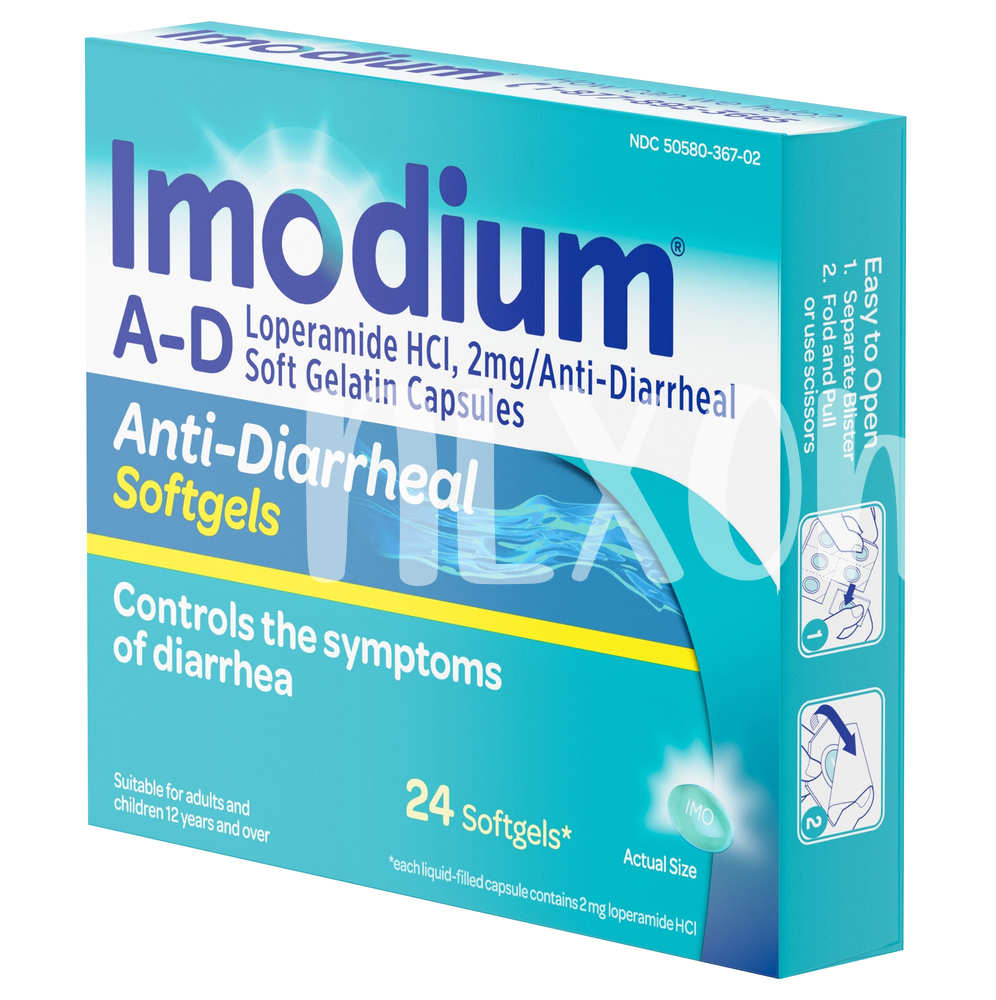
If you’re taking imodium, pairing it with bland meals may help you stay comfortable as your digestion settles. Keep portions small and eat slowly, giving your body time to respond without extra strain.
For a gentle recovery, avoid rich sauces, heavy seasoning, and greasy ingredients. These meals won’t overwhelm your system, making it easier to calm your stomach and regain balance.
Add Hydration-boosting Drinks and Electrolytes
When diarrhea strikes, the body quickly loses water and key minerals, so sipping the right drinks matters. Alongside imodium, reach for clear fluids that are gentle on the stomach and easy to tolerate.
Water is essential, but oral rehydration solutions, broth, diluted juice, and herbal tea can help replace sodium and potassium more effectively. These options support recovery while keeping nausea and cramping calmer.
Take small, frequent sips instead of large amounts at once. This steady approach helps prevent dehydration, restores balance, and gives your digestive system a better chance to settle down.
Include Small Portions of Soothing Snacks
When your stomach is unsettled, large meals can feel overwhelming, so a few bites at a time often works better. Think of gentle snacks that are soft, mild, and easy to digest, such as plain toast, rice cakes, applesauce, or a small banana. These choices can help keep energy up without putting extra stress on digestion.
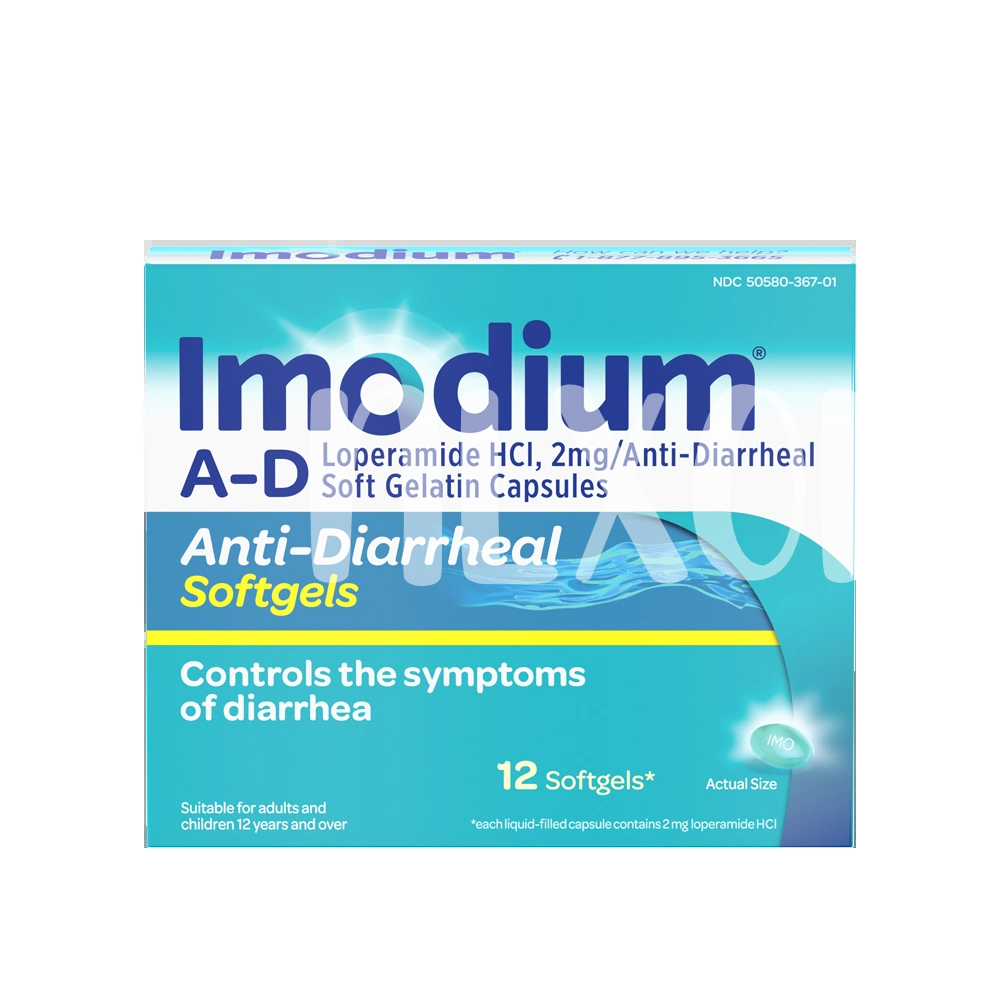
If you are using imodium, pairing it with light foods may make recovery feel smoother. A handful of crackers or a little oatmeal can be more comforting than rich, greasy, or heavily spiced foods. Eating slowly also gives your body time to respond, which can reduce the chance of feeling worse after eating.
Listen to your appetite and stop before you feel full. Small, soothing snacks are not about eating more, but about eating wisely. With careful portions, you can steady your stomach, support hydration, and give your system a calmer path back to normal.
Avoid Foods That Can Worsen Diarrhea
When your stomach is already unsettled, certain foods can make the rush to the bathroom even worse. Greasy meals, heavy cream sauces, and fried snacks often slow digestion in all the wrong ways, leaving you feeling more uncomfortable.
Spicy dishes may also irritate an already sensitive gut, while caffeine and alcohol can pull more fluid from your body. Even large servings of raw vegetables or very sugary treats may be too harsh until things calm down.
If you’re using imodium, keep your meals simple and gentle so the medicine can do its job more effectively. Think of this phase as giving your digestive system a break, not a challenge.
| Best avoided: | fried foods, spicy meals, caffeine, alcohol, rich desserts |
Plan Your Diet for a Smooth Recovery
When diarrhea begins to ease, the next step is to rebuild your diet with patience. Start with plain foods in small portions, such as toast, rice, bananas, applesauce, or oatmeal, and wait to see how your body responds before adding more variety. Eat slowly, avoid large meals, and choose simple recipes that are low in fat and seasoning. This gentle approach helps the gut settle while giving you enough energy to recover. For additional guidance, see NHS and MedlinePlus.
As strength returns, gradually reintroduce lean proteins, cooked vegetables, and other easy-to-digest foods so your meals become more balanced without overwhelming your stomach. Keep drinking water or electrolyte fluids, and watch for foods that seem to trigger symptoms again. A calm, steady transition is often better than rushing back to a normal diet, helping your digestive system recover more smoothly and reducing the chance of another setback.