

Hidden Iverheal Reactions That Demand Attention
Not all concerning reactions to Iverheal appear right away. Some begin subtly, with a faint itch, unusual fatigue, or a feeling that something is simply off after the dose. These early clues may seem minor, but they can signal a response that needs closer attention.
A sudden rash, facial swelling, dizziness, or palpitations should never be brushed aside. In some cases, these hidden reactions may reflect an allergic response or a stronger-than-expected sensitivity to the medicine.
| Warning sign | Why it matters |
|---|---|
| Itching or rash | May point to allergy |
| Swelling | Can become serious quickly |
If symptoms grow, spread, or return after fading, medical advice is important. Prompt action can prevent a mild reaction from becoming a dangerous one.
Skin Changes You Shouldn’t Dismiss

After taking iverheal, pay close attention to your skin. A sudden rash, hives, or intense itching may seem minor at first, but these changes can signal a stronger reaction brewing beneath the surface.
Redness that spreads, swelling around the face, lips, or eyes, or skin that feels unusually warm should not be brushed aside. These symptoms can worsen quickly and may need urgent medical review.
Blistering, peeling, or dark patches are especially concerning, because they can point to a serious drug reaction rather than a simple irritation.
If your skin starts changing in a way that feels new, severe, or fast-moving, stop guessing and get help right away.
Breathing Problems Requiring Immediate Care
If iverheal triggers sudden shortness of breath, wheezing, or a tight feeling in the chest, don’t wait to see if it passes. These symptoms can signal a serious reaction, especially when they appear soon after a dose. Even mild breathing changes can escalate quickly, so prompt attention matters.
Seek immediate medical care if breathing becomes labored, your lips look bluish, or you feel faint while trying to breathe. A severe allergic response, swelling, or airway irritation may be developing. Acting fast can prevent complications and protect your safety.
Neurological Warning Signs after Taking Iverheal
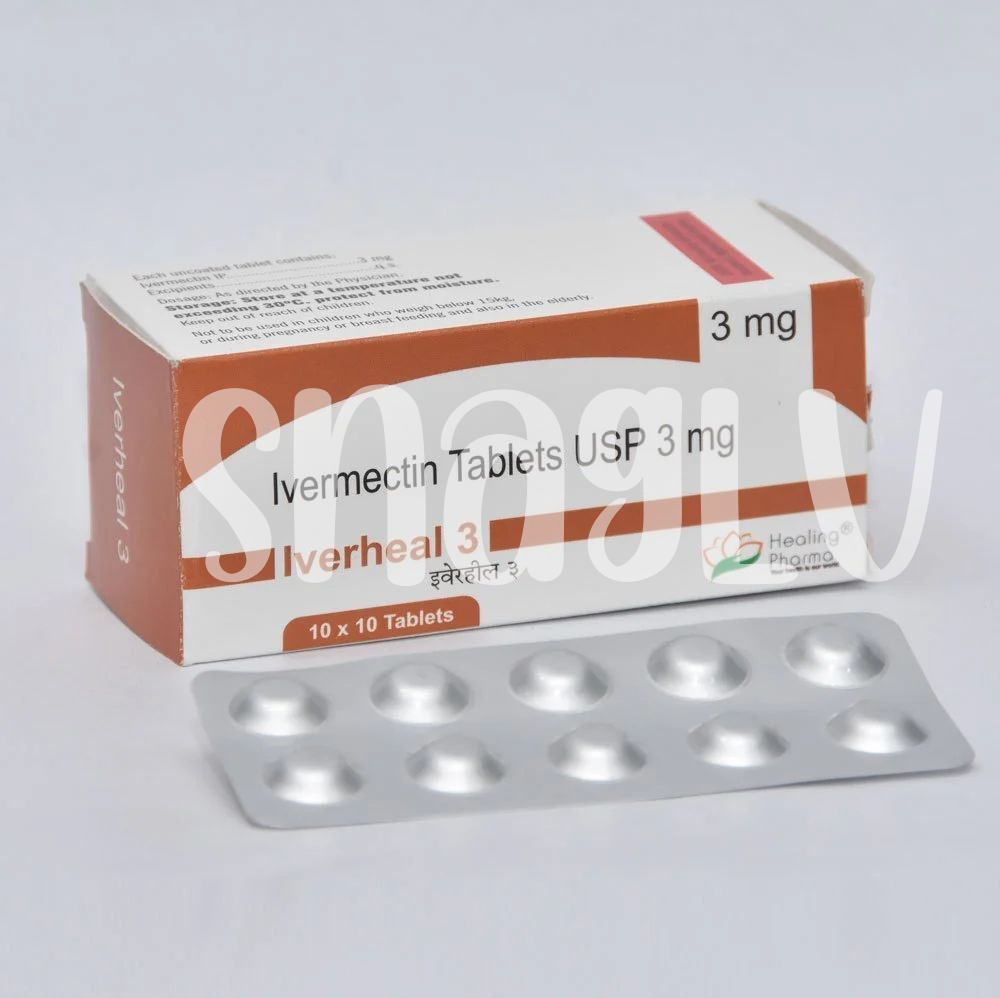
After taking iverheal, some people notice a strange heaviness in the head, as if their thinking has slowed down. A mild headache may pass, but confusion, poor balance, or unusual drowsiness should not be brushed off.
More serious symptoms can appear suddenly. If a person feels shaky, has trouble speaking clearly, or seems disoriented, the nervous system may be reacting in a dangerous way. These changes can worsen quickly, especially if the medication is not tolerated well.
Tingling, muscle weakness, or a crawling sensation in the limbs can also signal trouble. In some cases, seizures or fainting may occur, and these are medical emergencies. Watching for patterns matters, because neurological reactions are not always obvious at first.
If any of these signs develop after using iverheal, seek urgent medical advice. Early action can prevent lasting harm and help determine whether the drug should be stopped or replaced with a safer option.
Digestive Distress That Signals Trouble
Nausea, vomiting, or sudden stomach cramps after taking Iverheal can feel like a passing upset, but they may signal something more serious. If your body reacts strongly, pay attention to how quickly symptoms appear and whether they intensify.
Persistent diarrhea, loss of appetite, or abdominal pain can lead to dehydration and weakness. When digestion is disrupted this sharply, it is worth taking the reaction seriously rather than waiting it out.
Seek medical advice if the discomfort is severe, lasts more than a day, or comes with fever, dizziness, or blood in the stool. These warning signs should never be ignored.
| Symptom | Concern |
| Vomiting | Possible strong reaction |
| Diarrhea | Risk of dehydration |
When Iverheal Side Effects Become Dangerous
Most people expect Iverheal to cause only mild discomfort, like a brief headache or nausea, but a change in pattern matters. When side effects intensify, linger, or appear suddenly after a normal dose, the body may be signaling more than simple intolerance. Feeling faint, unusually weak, or confused is not something to watch and wait on.
The danger becomes clearer if symptoms involve breathing, the heart, or the nervous system. Trouble swallowing, chest tightness, severe dizziness, shaking, vision changes, or new rash with swelling can point to a serious reaction. In those moments, delay can make recovery harder, especially if the person has liver disease or takes interacting medicines. MedlinePlus NCBI Bookshelf
A practical rule is simple: if a side effect feels severe, rapidly worsening, or unlike anything expected, treat it as urgent. Stop the dose until medical advice is given, and seek emergency care for breathing difficulty, collapse, seizures, or facial swelling. Quick action can turn a frightening reaction into a manageable one.