

What Modafinil Is and How It Works
Modafinil is a wakefulness-promoting medication designed to help people stay alert when sleep problems make daytime functioning difficult. Rather than acting like a classic stimulant, it works more selectively in the brain, influencing neurotransmitters linked to attention, motivation, and the sleep-wake cycle. This targeted action is why many people describe its effect as clearer focus rather than a jittery burst of energy.
In practical terms, modafinil does not replace sleep, but it can reduce the heavy fog that often follows disorders such as narcolepsy or shift-work sleep issues. By supporting sustained alertness, it may help someone get through work, studies, or routine tasks with greater consistency.
| Key idea | Supports wakefulness, not sleep recovery |
Sleep Disorders It May Help Address

For people living with disrupted sleep-wake cycles, modafinil is often discussed as a tool that may help restore daytime alertness. It is commonly used when sleep disorders leave someone feeling foggy, exhausted, or unable to stay focused during normal waking hours.
One of the main situations is narcolepsy, where sudden sleep attacks can interrupt work, study, and everyday routines. It may also be prescribed for obstructive sleep apnea patients who still feel sleepy even after using standard treatment, as well as for shift work sleep disorder, when late-night schedules make staying awake especially difficult.
In these cases, modafinil does not replace healthy sleep, but it can support better functioning when the underlying disorder continues to affect the day. For many patients, that means steadier concentration, safer alertness, and a greater sense of control.
Benefits for Alertness and Daily Function
For people struggling with excessive sleepiness, modafinil can feel like a practical reset button. By promoting wakefulness, it may help the mind stay engaged during work, study, or long drives, when fatigue would normally take over. Many users describe a steadier sense of focus and fewer afternoon crashes, which can make daily routines easier to manage.
That extra alertness often translates into better performance in ordinary tasks, from keeping appointments on time to finishing conversations without drifting off. When sleepiness is controlled, concentration becomes less of a battle and energy can be used more efficiently throughout the day.
It is not a substitute for healthy sleep, but in the right setting it can support clearer thinking and more reliable functioning. For some patients, that means greater independence, improved productivity, and a more active role in daily life.
Risks, Side Effects, and Safety Concerns
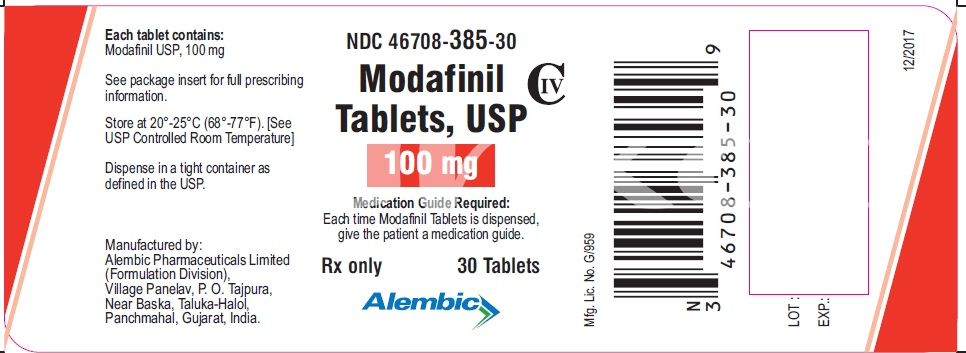
Modafinil can feel like a shortcut to sharper mornings, but it is not free of trade-offs. Some people notice headaches, nausea, anxiety, or trouble sleeping, especially if the dose is taken too late in the day. Less commonly, it may raise heart rate or blood pressure, which matters for anyone with underlying conditions.
The bigger concern is safety: unusual mood changes, skin reactions, or allergic responses need prompt medical attention. Because modafinil may interact with other medicines and reduce the effectiveness of hormonal birth control, careful use and professional guidance are important before starting treatment.
Who Should Avoid Modafinil Use
Modafinil is not a good fit for everyone. People with a history of heart disease, uncontrolled high blood pressure, or serious arrhythmias should be cautious, since the drug can increase strain on the cardiovascular system. It may also be risky for those with liver problems, because the body may not clear it normally, raising the chance of side effects.
Pregnant or breastfeeding individuals should avoid modafinil unless a doctor says the benefits clearly outweigh the risks. The same caution applies to anyone with a past allergic reaction to modafinil or similar wakefulness medicines. In some cases, a rash or swelling can signal a severe reaction that needs immediate medical attention.
| Higher-risk groups | Why caution matters |
| Heart conditions | Possible increased blood pressure or pulse |
| Liver disease | Slower drug processing |
| Pregnancy | Potential harm to the baby |
Medical Guidance before Starting Treatment
Before starting modafinil, a doctor should confirm whether your sleep problem truly fits the medication. A careful evaluation can reveal narcolepsy, sleep apnea, shift work sleep disorder, or another cause that needs different treatment. This step also helps rule out issues like poor sleep habits, stress, or depression.
Your clinician will review your medical history, current medicines, allergies, and heart health. Modafinil can interact with some antidepressants, seizure drugs, and hormonal contraceptives, so a full medication check matters.
A sleep study or other testing may be recommended, especially if breathing interruptions or severe daytime fatigue are present. Dosing should be individualized, and follow-up is important.
Report side effects quickly, and never adjust the dose on your own.