
Understanding Nolvadex’s Role in Pct
Nolvadex is often chosen in post cycle therapy because it helps the body restart its own hormone production after anabolic use. When a cycle ends, natural testosterone can stay suppressed, leaving athletes tired, flat, and slower to recover. Nolvadex works by blocking estrogen receptors in certain tissues, which signals the brain to increase luteinizing hormone and follicle-stimulating hormone. That support can help the testes resume normal activity more efficiently.
For many users, this makes Nolvadex a practical bridge between performance and recovery. It does not build muscle directly; instead, it helps protect what was gained by encouraging hormonal balance. Understanding that role is important, because post cycle therapy is not about instant results but about giving the body a structured chance to stabilize. Used correctly, Nolvadex can be a key part of that recovery process.
| Role | Effect |
|---|---|
| Estrogen blocking | Supports hormonal signaling |
| Recovery aid | Helps restore natural testosterone |
How Post Cycle Therapy Supports Recovery

After a cycle ends, the body often needs help finding its natural rhythm again. Hormone production may be suppressed, energy can dip, and motivation can feel inconsistent. This is where post cycle recovery becomes important, giving the body a structured path back toward balance instead of leaving it to adjust on its own.
By supporting the endocrine system, recovery helps encourage the body’s own testosterone signaling and may reduce the crash that follows anabolic use. A well planned approach can also help preserve muscle gains, maintain training drive, and support overall mood and vitality during a vulnerable transition period.
Many users include nolvadex in this phase because it can play a role in stimulating recovery signals after suppression. Combined with proper rest, nutrition, and training adjustments, post cycle therapy becomes more than a routine—it becomes a bridge between performance and long term hormonal health.
Timing Nolvadex after Anabolic Cycles
Starting too early can interfere with recovery, while waiting too long may allow natural testosterone to stay suppressed. That is why careful planning matters. After an anabolic cycle ends, the body needs a short transition period to clear the compounds before recovery support begins.
The right moment depends on the specific substances used, especially their half-lives. Short-acting compounds may call for a quicker start, while longer-acting esters usually require a longer wait. Using nolvadex at the correct time helps the hypothalamic-pituitary-gonadal axis begin restarting under more favorable conditions.
Many users watch for signs that the cycle has fully tapered off before beginning post-cycle support. Bloodwork can provide the clearest guide, but even without it, timing should be deliberate rather than rushed. A measured approach improves the odds of smoother hormonal rebound.
In practice, the goal is simple: begin when the active steroid levels are low enough that recovery efforts can work effectively. That balance helps nolvadex do its job without overlapping too aggressively with lingering anabolic activity.
Common Dosages and Cycle Planning
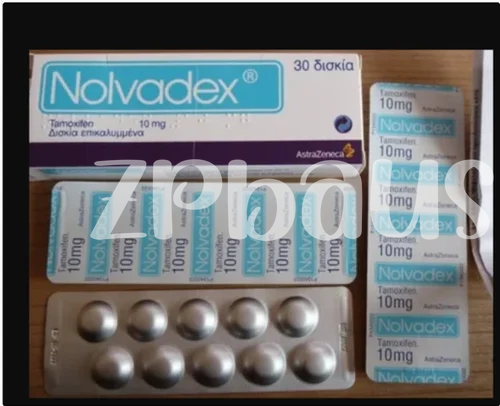
Nolvadex is often planned in a stepped approach, with many users starting at a moderate dose and adjusting based on cycle length, compound strength, and individual response. A typical post-cycle plan may use it daily for several weeks, beginning soon after suppressive compounds clear the system. The goal is to help the body regain natural testosterone production without rushing recovery or extending unnecessary exposure.
Good cycle planning also means matching the dosing schedule to the specific anabolic stack. Shorter or milder cycles may need a shorter protocol, while heavier cycles often require a longer, more structured one. Consistency matters more than improvisation: taking nolvadex at the same time each day, tracking progress, and avoiding missed doses can make recovery smoother and more predictable.
Managing Side Effects and Safety Concerns
When using nolvadex during PCT, most people tolerate it well, but it’s still wise to watch for changes in mood, vision, or digestion. A few users notice headaches, nausea, or hot flashes, especially if the dose is too aggressive. Staying hydrated, eating consistently, and avoiding alcohol can make the transition easier. It also helps to keep bloodwork in mind, because recovery is not only about feeling better day to day; it is about ensuring hormones are moving back toward balance.
| Common concern | Practical response |
|---|---|
| Headache | Adjust dose timing and stay hydrated |
| Nausea | Take with food if tolerated |
| Mood swings | Monitor sleep, stress, and recovery |
Safety matters most when nolvadex is used with a clear plan and realistic expectations. If unusual symptoms appear, stopping and speaking with a qualified healthcare professional is the safest move.
Comparing Nolvadex with Other Pct Options
Nolvadex is often chosen in post cycle therapy because it helps stimulate natural testosterone recovery without shutting down estrogen entirely, unlike some stronger interventions. Athletes often compare it with Clomid, which can be effective but may cause more mood swings and visual discomfort in some users.
For many, Nolvadex offers a steadier, more tolerable option when recovery is the priority. It is also commonly viewed as a practical bridge after a cycle, especially when paired with bloodwork and careful planning. PubMed NCBI Bookshelf