

Medicines That May Clash with Strattera
Some medicines can raise Strattera levels or intensify side effects, so it helps to think of each prescription as part of a team that must work together. Antidepressants such as fluoxetine, paroxetine, and bupropion may affect how Strattera is processed, while certain blood pressure medicines, asthma drugs, and ADHD treatments can also create unwanted overlap. Even over-the-counter cold remedies with stimulants deserve caution, because they may add extra strain on the heart and nervous system.
The safest approach is to share a full medication list with your doctor or pharmacist before starting anything new. That includes pills, inhalers, eye drops, and herbal products, since hidden ingredients can change the effect of Strattera in surprising ways. If a new medicine makes you feel unusually restless, dizzy, or nauseous, don’t ignore it—small changes can signal a bigger interaction.
| Medicine type | Why caution is needed |
|---|---|
| Antidepressants | May increase Strattera exposure |
| Stimulants | Can amplify heart-related side effects |
| Cold remedies | May add extra stimulation |
Foods, Drinks, and Supplements to Avoid

With strattera, a few everyday choices can quietly change how it works. Alcohol may intensify dizziness, sleepiness, or an upset stomach, making side effects harder to ignore. Energy drinks and too much caffeine can also leave you jittery, raise your heart rate, and make focus feel worse instead of better.
Be careful with supplements that affect the liver or blood pressure, especially St. John’s wort, ginseng, and yohimbe. Even “natural” products can interact with strattera in ways that are easy to miss. Always check labels, because combination formulas may contain hidden stimulants or ingredients that amplify unwanted effects.
If you take vitamins, herbal blends, or workout supplements, ask a pharmacist before mixing them in. A quick review can prevent headaches, nausea, and dangerous changes in mood or pulse. The safest routine is simple: keep your list updated, use one pharmacy, and speak up before adding anything new.
Hidden Interaction Risks You Should Know
Not every interaction with strattera comes from a prescription bottle. Over-the-counter cold remedies, herbal products, and even energy boosters can quietly change how the medicine feels in your body. Some ingredients may raise your heart rate, increase side effects, or make it harder to notice when something is wrong.
Alcohol can be especially tricky because it may blur symptoms like dizziness, fatigue, or mood changes. Even a “natural” supplement can matter if it affects liver enzymes, since those enzymes help process strattera. When that system shifts, the drug may become stronger or weaker than expected.
Timing can also create hidden risks. Taking several medicines close together may not seem dangerous, but overlapping doses can add up. This is why keeping an updated list of everything you use, including vitamins, is so important.
If anything feels unusual after starting a new product, don’t ignore it. A quick check with a pharmacist can prevent a small interaction from becoming a bigger problem.
Warning Signs of Unsafe Drug Combinations
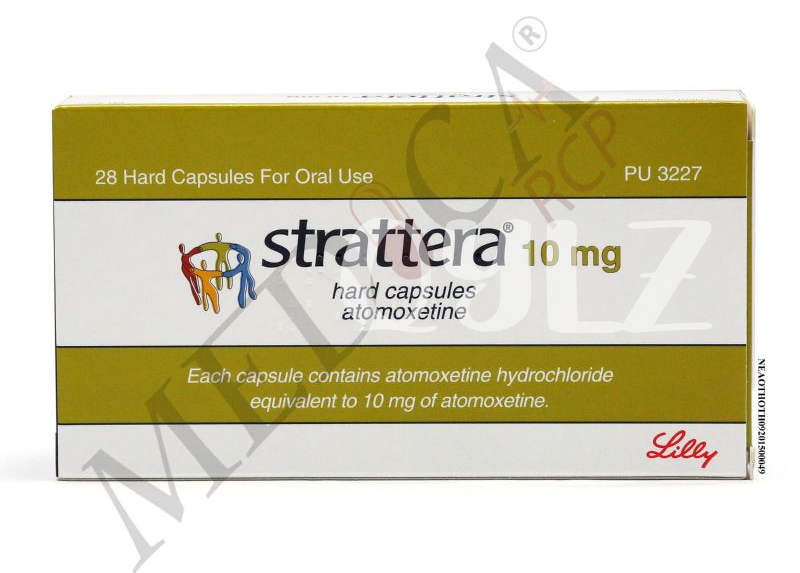
If you take Strattera with another medicine, pay attention to sudden changes that feel “off.” A racing heartbeat, chest discomfort, dizziness, or unusual shakiness can be early clues that the mix is too much for your body. Some people also notice headaches, blurred vision, trouble sleeping, or a spike in anxiety within hours or days of starting a new drug.
More serious warning signs can include fainting, severe nausea, confusion, fever, or agitation that seems out of character. If a combination affects blood pressure or the nervous system, you may also feel unusually sweaty, weak, or restless. These reactions should never be brushed aside as simple side effects, especially if they appear after adding a prescription, over-the-counter product, or supplement.
Trust your instincts when your body sends a clear message. If symptoms start soon after a medication change, stop and seek advice from a doctor or pharmacist right away. Fast action can prevent a minor interaction from becoming a medical emergency.
When to Ask Your Doctor or Pharmacist
If you take strattera and another prescription, over-the-counter medicine, or supplement, it is wise to pause before combining them. A quick check with a doctor or pharmacist can prevent problems with blood pressure, heart rate, or side effects that may sneak up gradually. This matters even more if you are starting a new treatment, changing doses, or using anything that affects mood, sleep, or focus.
Ask sooner rather than later if you notice unusual anxiety, dizziness, fainting, or a racing heartbeat after a new product. Your pharmacist can also spot hidden duplicates in cold medicines, allergy pills, and herbal blends. The small table below can help you remember what to mention:
| Item | Why it matters |
|---|---|
| New medicine | Possible interaction |
| Supplements | Unclear effects |
| Symptoms | Need for advice |
Safe Habits for Taking Strattera Daily
Consistency is the easiest way to make this medicine work smoothly. Take it at the same time each day, and try to build it into a routine you already follow, such as breakfast or bedtime.
Swallow the capsule whole and keep your dosing schedule steady. If your doctor suggests taking it once or twice daily, follow that plan exactly. Never double a dose to “catch up” if you miss one.
Pay attention to how your body responds, especially during the first few weeks. Mild changes in appetite, sleep, or stomach comfort can happen, so track anything unusual and share it during follow-up visits.
Keep an updated list of every medicine, vitamin, and supplement you use, and ask before starting anything new. Small habits like drinking enough water, eating regularly, and setting reminders can make daily treatment safer and easier.