

Hidden Dangers of Tizanidine Drug Interactions
Tizanidine may seem harmless when prescribed for muscle spasms, yet its interactions can create problems that are easy to miss. A simple combination with another medicine may leave a person unusually sleepy, dizzy, or weak, turning routine tasks like walking, driving, or standing up quickly into risky moments. Some interactions also lower blood pressure too much, which can cause fainting or confusion. Because these effects may build quietly, people often do not connect them to their medications until symptoms become severe.
The danger is that tizanidine can react differently depending on what else is in the medicine cabinet. Prescription drugs, over-the-counter products, and even herbal supplements may change how the body processes it. That is why checking every medication matters, especially when starting, stopping, or changing doses. A quick review with a pharmacist or doctor can prevent a small mix-up from becoming an emergency.
| Medication check | Why it matters |
| Prescription drugs | May increase drowsiness or blood pressure drops |
| OTC products | Can add unexpected side effects |
| Supplements | May alter how tizanidine is processed |
Medicines That Intensify Tizanidine’s Sedative Effects
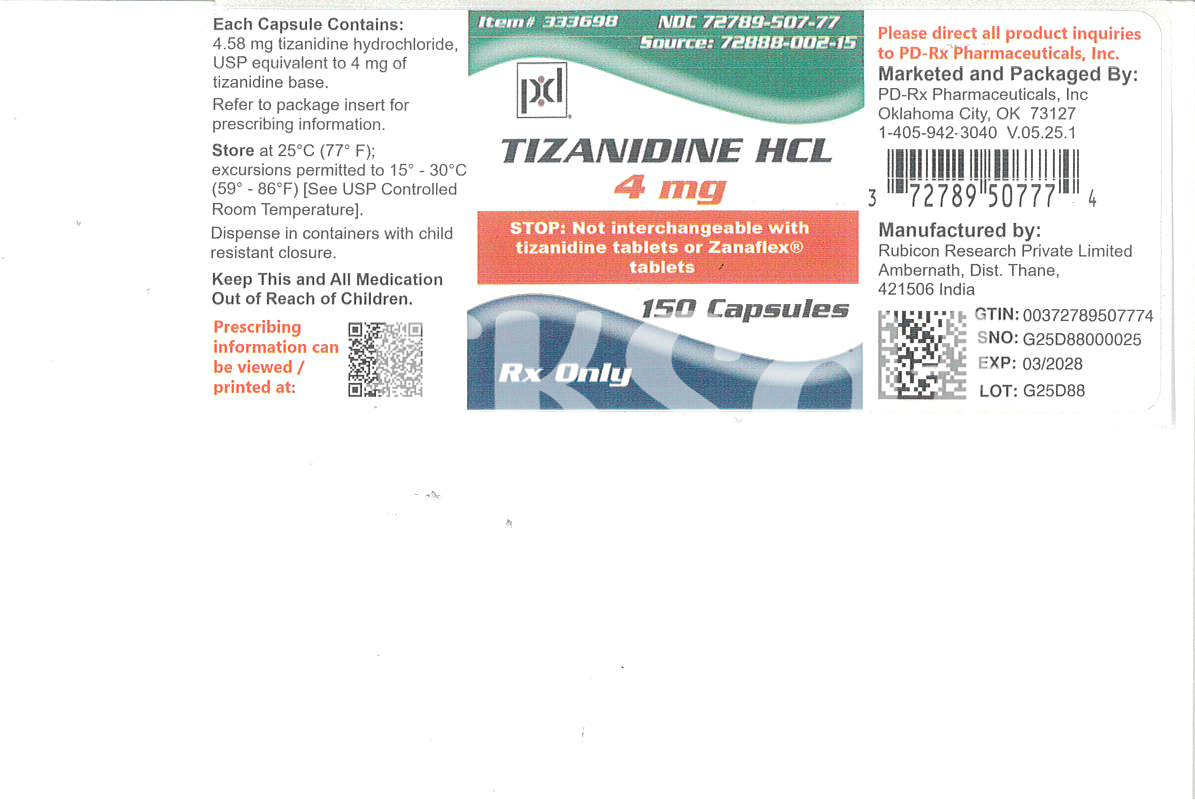
Taking tizanidine with other sedating medicines can turn simple tiredness into heavy drowsiness, slowed reactions, and poor coordination. What may feel like a mild calming effect can quickly become unsafe, especially when driving, working, or standing up quickly.
Prescription sleep aids, anti-anxiety drugs, and opioid pain relievers are common culprits. Even some over-the-counter antihistamines can make the sleepiness much stronger, leaving people foggy and unsteady for hours.
The risk rises when several of these medicines are used together, because their effects can stack without warning. A dose that seems harmless alone may cause confusion, excessive sleepiness, or falls when paired with tizanidine.
Before combining treatments, check every product on your list, including cold remedies and nighttime formulas. A pharmacist or clinician can help spot hidden sedatives and suggest safer options that protect alertness and balance.
Blood Pressure Drugs That Can Overwhelm Tizanidine
When tizanidine is taken with certain blood pressure medicines, the body can react too strongly. The combination may drop blood pressure faster than expected, leaving a person dizzy, weak, or faint.
This risk is especially important with clonidine, beta-blockers, ACE inhibitors, and other antihypertensive drugs. Together, they can intensify the calming effect on the nervous system and make standing up feel suddenly difficult.
Some people notice blurred vision, fatigue, or a shaky feeling before more serious symptoms appear. If tizanidine is used alongside these medicines, even a routine dose may become too much for the body to handle safely.
To lower the danger, check every prescription before starting tizanidine and ask a clinician about safer timing or alternatives. Careful monitoring can prevent a small interaction from turning into a dangerous blood pressure crash.
Antibiotics and Antifungals That Raise Tizanidine Levels

Some antibiotics and antifungals can slow the breakdown of tizanidine, causing it to build up in the body much more than expected. When that happens, even a usual dose may feel too strong, leading to extreme drowsiness, dizziness, or a sudden drop in blood pressure.
Drugs such as ciprofloxacin and fluvoxamine are well known for sharply increasing tizanidine levels, and certain antifungal medicines may do something similar by affecting liver enzymes. This interaction can turn a helpful muscle relaxant into a risky one, especially for older adults or anyone already sensitive to sedation.
If an infection requires treatment, tell your healthcare provider you take tizanidine before starting a new medicine. A safer alternative may be available, or your dose may need to be adjusted and monitored closely for warning signs like faintness, weakness, or confusion.
Antidepressants and Painkillers to Watch Closely
Some medicines can turn tizanidine from helpful to hazardous. Certain antidepressants, especially those that cause drowsiness or affect serotonin, may deepen sleepiness, slow reaction time, and make it harder to stay alert. In people already sensitive to muscle relaxants, the mix can feel like heavy fog: slower thinking, poor balance, and a higher risk of falls.
Painkillers deserve equal caution. Opioid medicines can stack with tizanidine to intensify sedation and breathing problems, while some prescription and over-the-counter products may add dizziness or low blood pressure. Even a routine dose can hit harder when several central nervous system depressants are used together, so reading labels and checking the active ingredient matters.
| Medicine type | Main concern |
|---|---|
| Antidepressants | More drowsiness, dizziness, and impaired alertness |
| Painkillers | Stronger sedation and possible breathing issues |
Safe Medication Checks before Taking Tizanidine
Before starting tizanidine, pause and review every medicine you take, including prescriptions, over-the-counter products, vitamins, and herbal supplements. Even common items can change how this muscle relaxant works. A quick medication check can prevent dizziness, excessive drowsiness, or a dangerous drop in blood pressure.
Tell your clinician if you use sleep aids, allergy pills, blood pressure medicines, antidepressants, or pain relievers. Also mention recent antibiotics or antifungals, since some can sharply raise tizanidine levels. If you take more than one pharmacy’s prescriptions, bring a complete list so nothing is overlooked.
Ask about alcohol, cannabis, and supplements like melatonin or valerian, which may deepen sedation. Do not start, stop, or adjust anything without guidance, especially if you have liver disease or kidney problems. Your safest dose depends on the full picture, not just one drug.
A careful review takes only minutes, but it can spare you a frightening reaction later. When in doubt, call your pharmacist or doctor before your first dose. That simple habit turns a risky guess into a safer plan.