

Understanding Herpes and How It Spreads
Herpes is a common viral infection caused by either herpes simplex virus type 1 or type 2. Many people never notice their first infection, while others may experience painful blisters, itching, or a burning sensation. The virus can stay inactive in the body for long periods and become active again later.
It spreads most often through direct skin-to-skin contact, especially during kissing, oral sex, vaginal sex, or sharing intimate contact with an infected area. A person can pass it on even without visible sores, which is why transmission sometimes happens unexpectedly.
Outbreaks may be triggered by stress, illness, fatigue, or a weakened immune system. Once infected, the virus remains in the body, but symptoms can vary from mild to severe over time.
| Common Spread | Examples |
|---|---|
| Direct contact | Kissing, sex, touching sores |
What Valtrex Does Inside Your Body
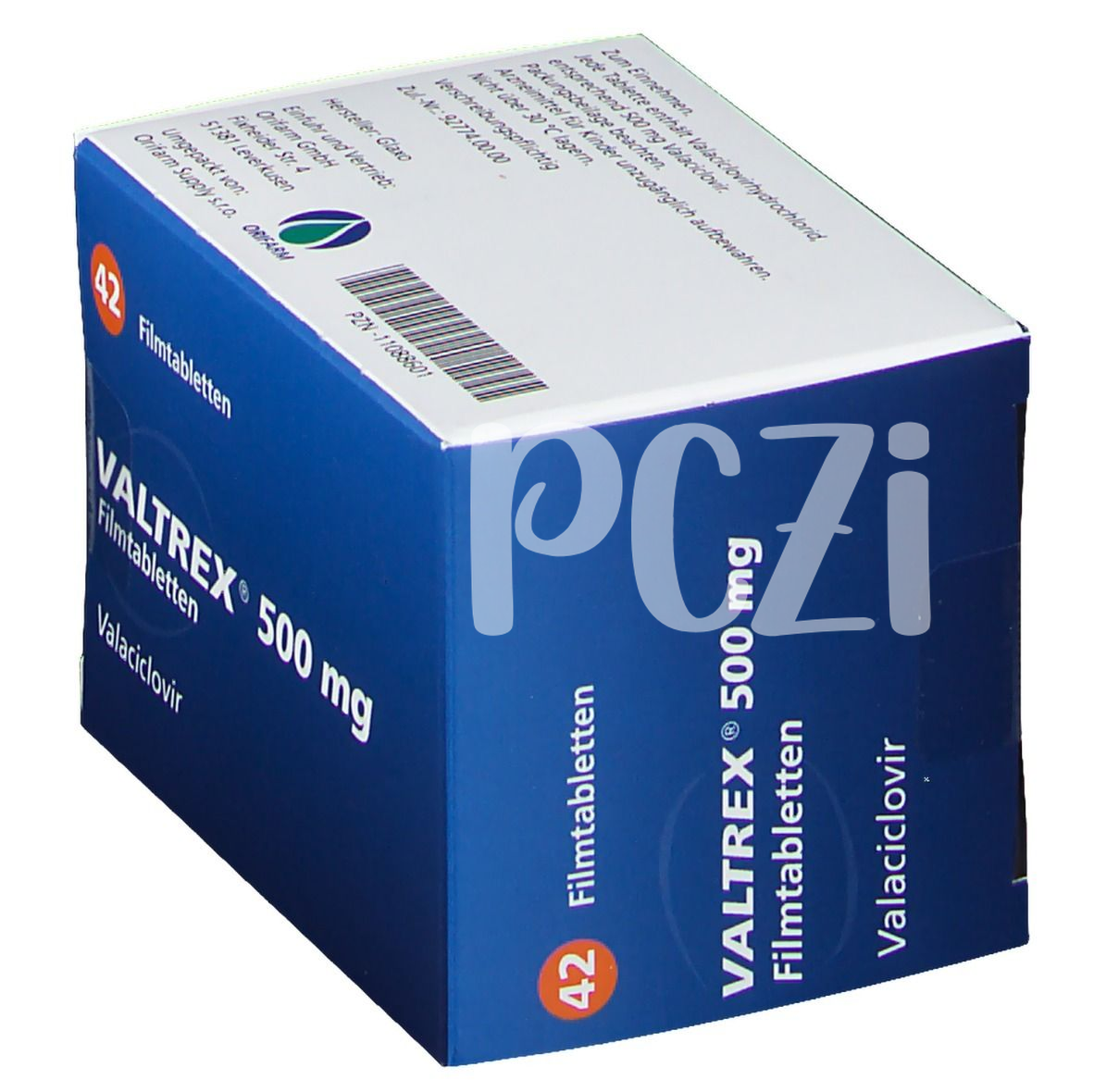
valtrex works by entering infected cells and blocking the herpes virus from copying its DNA. This slows the virus down before it can spread widely through the body, giving your immune system a better chance to respond. As viral activity drops, symptoms like burning, tingling, and painful sores often become less intense and may heal faster.
The medicine does not remove herpes from your system, but it helps control flare-ups and can lower the chance of passing the virus to others. Taken early, valtrex may shorten an outbreak and reduce how severe it feels, making daily life more manageable.
When Doctors Commonly Prescribe Valtrex
Doctors often turn to valtrex when herpes symptoms begin to flare, because early treatment can ease pain and shorten the outbreak. It is commonly prescribed for both genital herpes and cold sores, especially when blisters, itching, or tingling make daily life uncomfortable. In some cases, it is started at the first sign of warning symptoms so the medicine can work before lesions fully develop.
Valtrex may also be recommended for people who have frequent recurrences. Instead of waiting for each outbreak, a doctor may choose daily suppressive therapy to reduce how often symptoms return and lower the chance of passing the virus to a partner. This approach is especially helpful for patients who want more control over unpredictable flare-ups.
Doctors can also prescribe it after a first herpes episode, when symptoms are often strongest and most distressing. The goal is not to cure the virus, but to make episodes milder, faster, and easier to manage.
Possible Side Effects and Safety Precautions

Valtrex is generally well tolerated, but some people notice mild side effects as their body adjusts. Headache, nausea, stomach discomfort, and dizziness are among the most common. For many, these symptoms are brief and manageable, especially when the medicine is taken with enough water and as directed.
Less often, valtrex can cause more serious problems, including confusion, unusual mood changes, tremors, or trouble urinating. These effects are more likely in older adults or people with kidney concerns. Any sudden rash, swelling, or breathing difficulty should be treated as an urgent warning sign.
Safety starts with honest communication. Tell your doctor about kidney disease, pregnancy, dehydration, or any other medicines you use, since interactions can increase risk. Staying hydrated and avoiding extra doses can also help protect your body.
If side effects feel persistent or unusual, contact a healthcare professional promptly. A quick check can confirm whether symptoms are expected or whether your treatment should be adjusted.
Valtrex Dosing Tips for Better Results
Taking Valtrex exactly as prescribed can make a real difference in how well it works. Because the medicine is absorbed best when levels stay steady, it helps to take each dose at the same time every day if your doctor has given a daily schedule. If an outbreak treatment is prescribed, start as soon as symptoms appear for the strongest benefit.
A full glass of water with each dose is a smart habit, since good hydration supports your kidneys while valtrex is processed. You can take it with or without food, but following the same routine daily may help you remember doses and avoid missed tablets.
| Tip | Why it matters |
| Take on time | Keeps medicine levels consistent |
| Drink water | Supports safe processing |
| Start early | May reduce outbreak severity |
Managing Outbreaks and Reducing Recurrence
When an outbreak starts, many people notice tingling, itching, or burning before sores appear. Acting quickly can make a difference: rest, keep the area clean and dry, and follow your prescribed antiviral plan. Early treatment often shortens symptoms and may lessen discomfort. CDC NHS
Valtrex works best when taken as directed, either at the first sign of symptoms or as suppressive therapy if outbreaks happen often. Staying consistent helps lower viral activity, which can reduce how often episodes return and how intense they feel. Mayo Clinic Drugs.com
Daily habits matter too. Managing stress, getting enough sleep, avoiding friction or skin irritation, and using condoms can all support fewer recurrences. Some people also find that tracking triggers helps them spot patterns and prepare before symptoms flare. Healthdirect NCBI Bookshelf
Even with treatment, herpes can return from time to time, but many people gain better control over outbreaks with patience and a steady routine. A simple plan, plus regular medical follow-up, helps keep symptoms manageable and life moving forward. CDC NHS