

Store Ventolin at Room Temperature Always
Ventolin works best when it is kept at a stable, comfortable temperature, much like a trusted item you reach for in an emergency. Sudden cold or heat can affect how well the inhaler performs, so a normal indoor setting is ideal.
A hallway shelf or bedside drawer usually works well, as long as the spot is not near radiators, windows, or other warm areas. Think of it as giving your inhaler a calm place to wait, ready when you need it most.
Consistent storage helps preserve the medicine’s effectiveness and gives you confidence that each puff will deliver as intended.
| Tip | Best Practice |
| Temperature | Keep it in a room-temperature location |
Keep Ventolin Away from Moisture and Heat
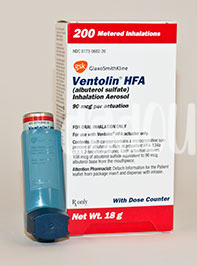
Moisture and heat can quietly weaken ventolin, turning a reliable inhaler into a less effective one when you need it most. A bathroom shelf, kitchen counter, or sunny windowsill may seem convenient, but these spots often expose the medication to steam, warmth, and temperature changes. Over time, that environment can affect the canister and the spray, making each puff less dependable. Keeping it in a cool, dry place helps preserve its full strength and ensures the inhaler works as expected during sudden breathing difficulties.
Think of storage as part of your treatment, not just a small habit. After each use, place ventolin back in a dry spot away from sinks, showers, radiators, and other sources of heat. If you travel often, keep it in a bag or case that shields it from dampness and excessive warmth. This simple routine protects both comfort and confidence, because effective medication should be ready whenever you need it.
Protect Your Inhaler from Direct Sunlight
Direct sunlight can quietly weaken your Ventolin over time, especially if it sits near a window, on a dashboard, or in any bright spot for hours. The heat that builds up can affect the inhaler’s performance, making it less dependable when you need quick relief.
To keep your Ventolin ready, place it in a shaded, cool area such as a drawer, bag pocket, or medicine cabinet away from light. Small storage habits make a big difference, helping your inhaler stay effective and dependable whenever breathing symptoms flare up.
Check Expiration Dates before Every Use
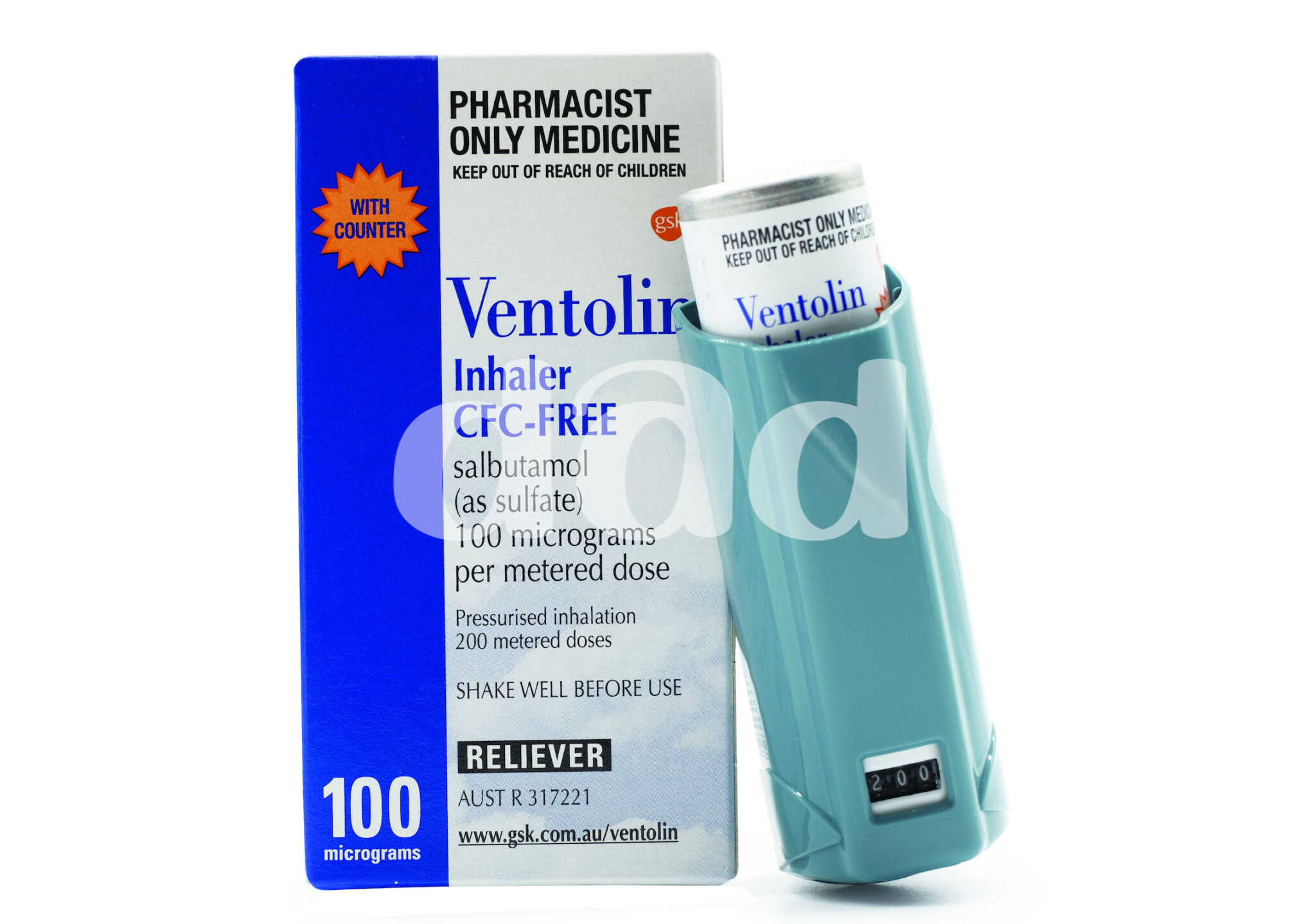
Before using your Ventolin, take a quick moment to inspect the date on the package or canister. It only takes a few seconds, but that small habit can make a big difference when you need relief fast. An inhaler that has passed its expiration date may not deliver the dose you expect, which can leave you feeling unprepared during an asthma flare-up.
Make it part of your routine, just like checking the mouthpiece or priming the device if needed. If you keep more than one Ventolin inhaler at home, it’s especially helpful to label them or place the oldest one in front. That way, you’re always reaching for the one most likely to work properly when symptoms appear.
If the date is unclear, faded, or already expired, replace the inhaler as soon as possible. Don’t wait until an emergency to find out it’s no longer reliable. A fresh Ventolin inhaler offers peace of mind, helping you stay ready and confident whenever breathing becomes difficult.
Avoid Leaving Ventolin in Cars
A parked car can become an oven in minutes, and that heat can quietly weaken ventolin before you need it. Whether it is summer sun or a chilly day with a strong temperature swing, the inside of a vehicle is rarely a safe place for medicine.
If you are heading out, tuck your inhaler into a bag you take with you, not the glove box or seat pocket. That simple habit helps preserve effectiveness and keeps ventolin ready for sudden symptoms, giving you more confidence wherever the day takes you.
| Safe choice | Carry ventolin with you |
Keep Ventolin in Its Original Container
A small habit can make a big difference in how well your Ventolin works when you need it most. One of the simplest ways to help protect it is to leave it in the packaging it came in.
The original container is designed to shield the inhaler from dust, light, and everyday damage. It also keeps the label, instructions, and expiration date easy to see, so you can check important details quickly before use.
When an inhaler gets moved into a bag, drawer, or random case, it may be more exposed to moisture or accidental pressure. Keeping it in its proper container helps reduce that risk and preserves its condition over time.
For best results, return Ventolin to its container after each use and store it neatly in a dry place. This simple step helps keep your rescue inhaler ready, reliable, and easy to find in an emergency.