
Recognizing Early Vermox Overdose Warning Signs
A child who has taken too much Vermox may first seem slightly off, with sudden nausea, stomach cramps, dizziness, or a vague headache that is easy to dismiss. These early changes can appear within hours and may be accompanied by unusual tiredness, loss of appetite, or mild vomiting. Because overdose symptoms can start quietly, it helps to pay attention to any new discomfort that follows a recent dose, especially if a double amount was taken or the medicine was repeated too soon.
In some cases, the warning signs become more noticeable and the person may look pale, restless, or unwell.
| Early clues | Why they matter |
| Nausea or vomiting | May signal the body is reacting to excess medicine |
| Dizziness or headache | Can indicate systemic effects developing |
Common Symptoms after Taking Too Much Vermox
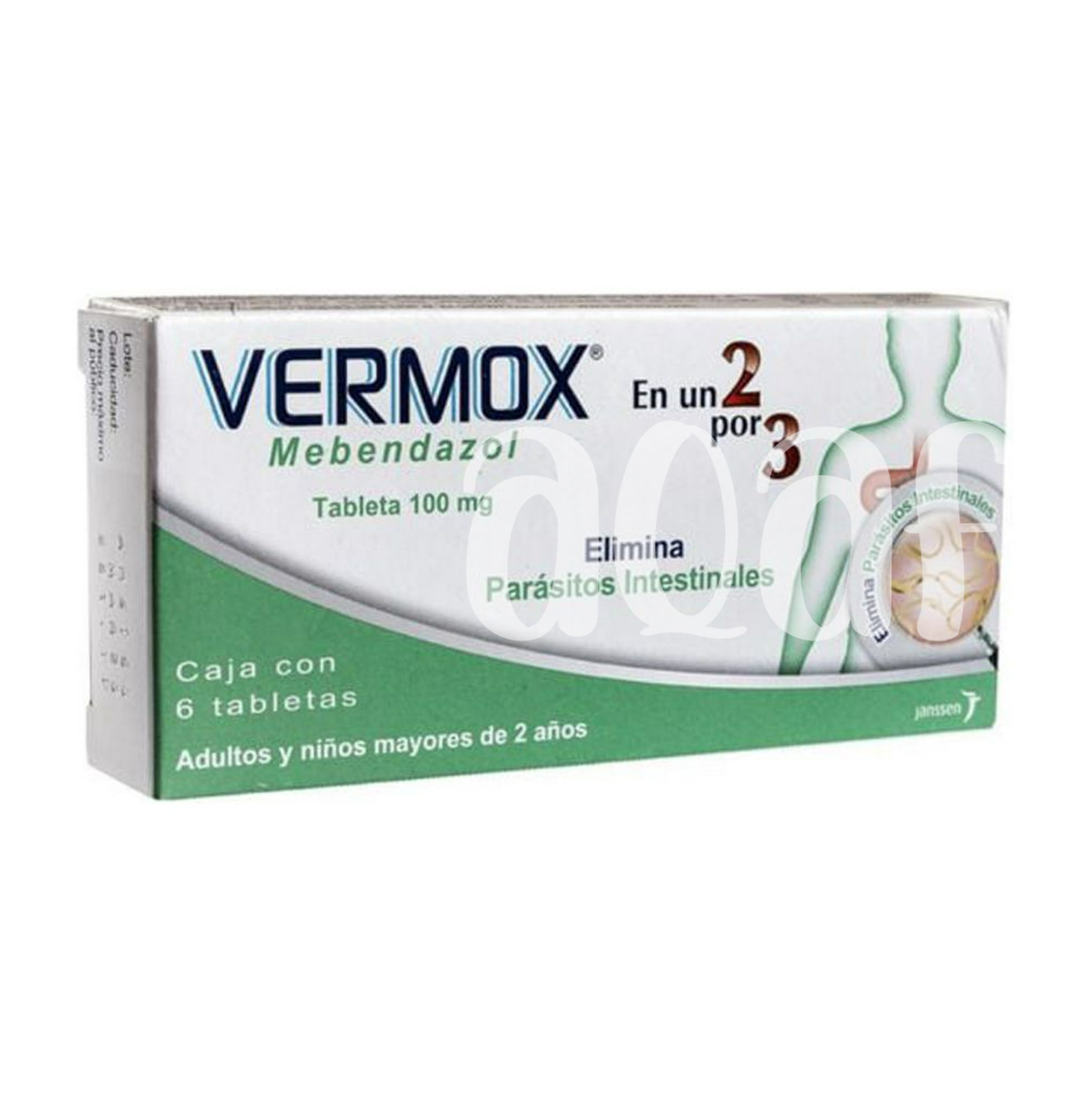
After taking too much vermox, the body may react with nausea, stomach cramps, vomiting, or diarrhea. These symptoms can appear within hours and may feel like a harsh stomach bug, but they often signal that the medicine has been overused.
Some people also notice headache, dizziness, or a general sense of weakness. In more noticeable cases, appetite loss and abdominal pain can make it hard to eat or stay comfortable. The discomfort may build gradually, especially if the dose was repeated.
Less commonly, a rash, fever, or unusual tiredness may occur, hinting at a stronger reaction. If symptoms are severe, persistent, or involve trouble breathing, confusion, or fainting, urgent medical help is needed right away.
High-risk Situations That Increase Overdose Danger
Overdose risk rises when Vermox is taken by mistake more than once, especially if a dose is repeated because the first pill was forgotten. This can happen during a busy day, when symptoms are worrying, or when someone is unsure whether the treatment worked. In children, a well-meaning caregiver may also give extra vermox too soon.
Danger also increases when Vermox is combined with other medications or supplements without medical advice. People with liver problems, a low body weight, or a history of allergic reactions should be extra careful. Taking it with alcohol or using it for longer than recommended can make side effects harder to notice.
Another common high-risk situation is confusion between tablet strengths or sharing medicine with family members. A rushed reading of the label, poor lighting, or storing pills in unmarked containers can lead to accidental overuse. Travelers and caregivers are especially vulnerable.
If the dose schedule is unclear, it is safer to pause and ask a pharmacist or doctor than to guess. A few minutes of caution can prevent a frightening emergency.
Immediate Emergency Steps to Take Fast

If someone may have taken too much Vermox, act quickly and stay calm. Remove any remaining tablets, check the package for the strength and amount taken, and note the time of the dose. If the person is awake, have them rinse their mouth and sit upright. Do not try to make them vomit, and do not give alcohol, sleep aids, or any new medicine unless a professional says it is safe.
Call emergency services or poison control right away, especially if there is vomiting, severe stomach pain, dizziness, trouble breathing, or unusual drowsiness. Keep the person with you and watch for changes in alertness or breathing. If they become unresponsive, place them on their side and begin basic first aid if you are trained. Bring the Vermox container to the hospital so responders can confirm what was taken.
While waiting for help, keep the area quiet and gather details for the doctor, including age, weight, other medicines, and any health conditions. Fast action can reduce risk and help treatment begin sooner.
What Doctors Do to Treat Vermox Overdose
In the emergency room, doctors first check breathing, heart rate, and blood pressure, then ask how much vermox was taken and when. They may use activated charcoal if the overdose was recent and the patient is alert. Blood tests can help rule out other problems, while IV fluids may ease dehydration or weakness. If vomiting, dizziness, or unusual reactions appear, staff monitor the patient closely until symptoms begin to settle.
Treatment is often supportive rather than dramatic, but fast action matters. Doctors watch for worsening abdominal pain, rash, or nervous system changes, and they may keep the patient under observation for several hours.
| Step | Purpose |
| Assessment | Check vital signs and history |
| Monitoring | Track symptoms over time |
Preventing Future Medication Mistakes and Overuse
Mistakes with Vermox often begin with simple confusion: an extra dose, a forgotten note, or a shared medicine cabinet. Keep the treatment plan clear by reading the label before each dose, using only the prescribed amount, and setting a phone reminder so no one “double-doses” out of worry. Store Vermox with other child-safe medicines, away from tablets that look similar. If a child is involved, measure carefully and never guess from memory. Clear habits reduce panic and make the next dose safe.
When there is any uncertainty, pause and ask a pharmacist or clinician rather than taking another tablet. Keep a written list of all medicines and recent doses, especially during travel or illness, when routines slip. Family members should know where the package is and what the schedule is, so one person’s mistake does not become everyone’s problem. NHS mebendazole guidance MedlinePlus mebendazole information