
How Zantac Compares to Popular Alternatives
Zantac once stood out because it reduced stomach acid for hours, making it a familiar choice for people seeking steadier relief than quick-fix antacids. Compared with alternatives like Tums or Pepto-Bismol, it worked more slowly but often lasted longer, which appealed to those with recurring heartburn. Today, many people compare it with famotidine-based options and proton pump inhibitors, weighing speed, duration, and convenience before deciding what fits their symptoms.
| Zantac | Longer-lasting acid control |
| Antacids | Fast, short relief |
| Famotidine | Popular similar alternative |
Fast Relief: Which Medication Works Best
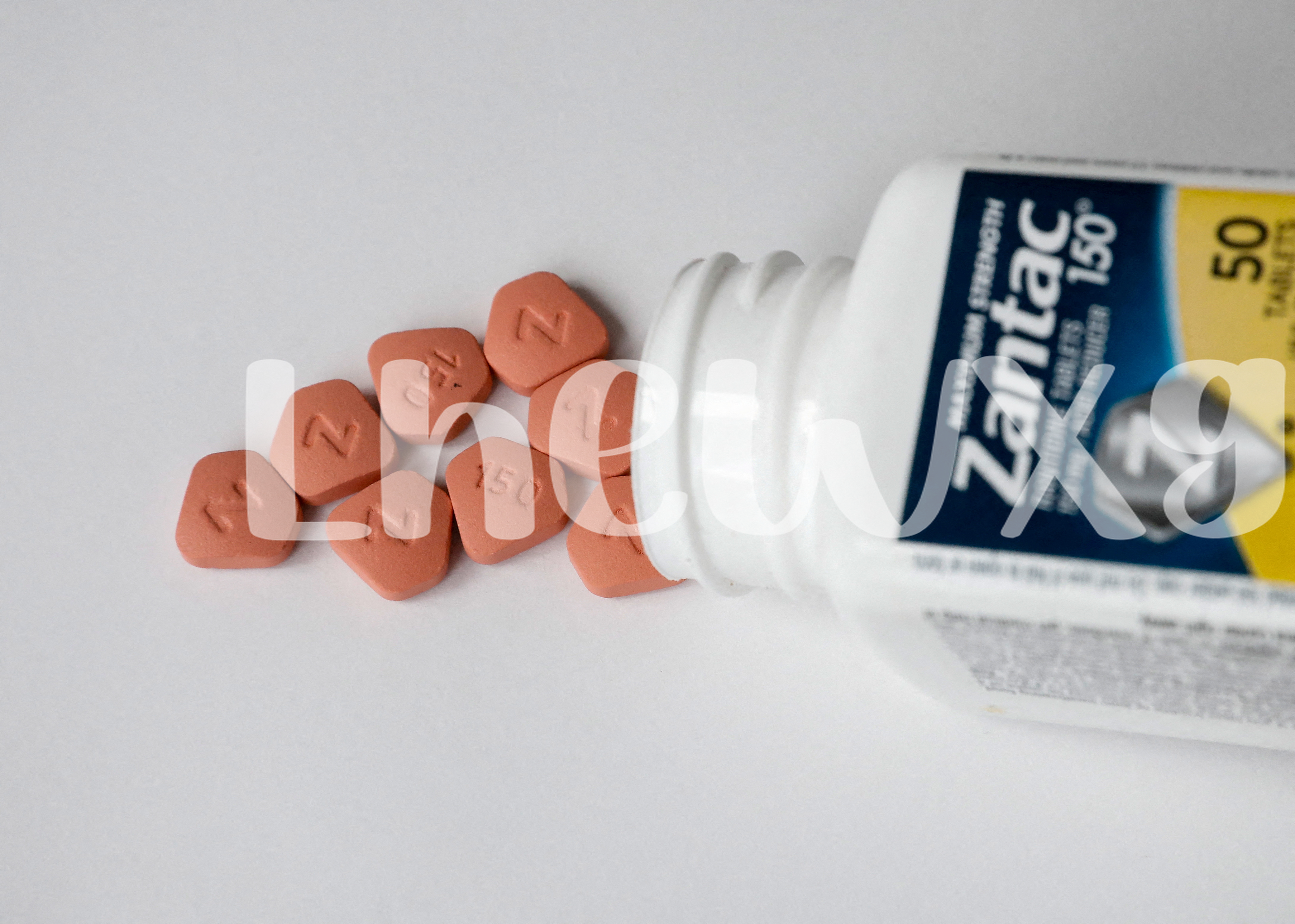
When heartburn strikes suddenly, speed matters most. Some people reach for zantac because it may start easing symptoms within about an hour, helping calm the burning feeling before it gets worse. H2 blockers like this are often chosen for moderate reflux, especially when discomfort appears after meals or at night. They are not always the fastest option for every situation, but they can offer steady relief that lasts longer than some antacids.
For immediate, short-term relief, antacids usually work the quickest because they neutralize stomach acid right away. However, their effects may fade sooner, while medicines like zantac tend to provide a more gradual, longer-lasting benefit. The best choice depends on how intense the symptoms are and how quickly relief is needed.
Safety Profiles and Side Effect Differences
When people compare heartburn medicines, safety often becomes the deciding factor. Zantac has long been known for easing symptoms with a generally mild side effect profile, but every medication carries trade-offs. Some users report headaches, dizziness, or stomach discomfort, while others tolerate it well and notice little more than relief.
Other heartburn options can feel different in the body. Antacids may cause constipation or diarrhea, depending on the ingredients, while proton pump inhibitors can sometimes lead to bloating or nausea. H2 blockers and stronger prescription treatments may also have more drug interaction concerns, especially for people taking multiple medications.
That is why choosing wisely matters. A medicine that works quickly is not always the safest fit for everyone, and a gentler option may still be the best match for frequent symptoms. Talking with a healthcare professional helps balance comfort, risk, and long-term use.
Prescription Strength Vs Over-the-counter Options

When heartburn flares up, the choice between prescription and over-the-counter medicine often comes down to how often symptoms appear and how strong they are. OTC options are convenient for occasional discomfort, letting people reach for fast relief without a doctor’s visit. For many, that is enough to calm an after-dinner burn or a late-night sour stomach.
Prescription-strength treatments are usually considered when symptoms happen more often, last longer, or do not improve with standard products. A doctor may recommend a higher-dose option or a different type of medicine to better control acid production. In some cases, zantac was widely known for this role, especially when stronger symptom management was needed.
The best choice depends on your pattern of heartburn, other health conditions, and how your body responds. OTC products suit mild episodes, while prescription therapies offer more targeted control for persistent problems. If symptoms keep returning, a professional evaluation can help match the right treatment to your needs.
Choosing the Right Heartburn Medicine
Choosing the right heartburn medicine starts with matching symptoms to the cause. Some people need quick, short-term relief after a heavy meal, while others deal with frequent reflux that requires a stronger plan. Understanding how often symptoms appear helps narrow the options.
Antacids can calm mild burning fast, but they may not last long. H2 blockers, including zantac in places where it is available, can reduce stomach acid for longer relief. Proton pump inhibitors are often better for persistent symptoms because they work more deeply and for a longer time.
| Need | Possible Option |
|---|---|
| Fast relief | Antacid |
| Longer relief | H2 blocker |
| Frequent symptoms | PPI |
The best choice also depends on safety, other medications, and how often heartburn returns. A doctor or pharmacist can help balance relief with risks, especially if symptoms are ongoing or severe.
When Zantac May Not Be the Best Choice
Sometimes Zantac may not be the best option for heartburn relief, especially if symptoms are frequent, severe, or linked to another condition. While it can help reduce acid, it may not work quickly enough for sudden burning after meals, and some people need stronger or longer-lasting treatment. If heartburn comes with trouble swallowing, vomiting, weight loss, or chest pain, it is important to seek medical advice rather than relying on over-the-counter relief.
It may also be less suitable for people who prefer immediate symptom control, since antacids or different medications can act faster. In addition, anyone with a history of sensitivity to similar drugs, or who is taking medicines that may interact, should be cautious. A doctor can help match the treatment to the cause, making relief safer and more effective.