

Understanding Zepbound: What Beginners Should Know
Zepbound is a prescription medicine designed to help adults manage weight when paired with healthier eating and regular activity. It works by affecting hormones that help regulate appetite, so many beginners notice they feel full sooner and less interested in constant snacking.
For someone new to treatment, it helps to think of Zepbound as part of a broader plan, not a quick fix. Your doctor will usually review your health history, current medications, and weight-loss goals before deciding if it is appropriate.
This medication is taken once weekly, which makes it easier to fit into a routine. Beginners should learn the basics of timing, storage, and what to expect during the first few weeks, since the body often needs time to adjust.
| Key Point | Why It Matters |
|---|---|
| Appetite control | Can help reduce hunger and support portion control |
Starting Dosage Basics and How It Works

Zepbound usually starts at a low dose so your body can ease into treatment. This first step is designed to improve tolerance while still beginning the medication’s appetite and blood sugar effects. Many beginners feel reassured knowing the dose is not meant to be rushed.
In most cases, the starting amount is taken once a week, on the same day each week. Consistency helps keep levels steady in the body and makes the routine easier to follow. Your doctor may choose the initial dose based on your health history and treatment goals.
At the beginning, the dose works by signaling fullness sooner and helping slow digestion. That can reduce cravings and support gradual weight loss over time. Because the effect builds slowly, patience matters as much as the prescription itself.
If mild nausea or fatigue shows up, it often means your body is adjusting. Staying hydrated, eating smaller meals, and following your prescribed schedule can help. Never change the zepbound dose on your own; the safest plan is always guided by your clinician.
Step-up Schedule: When Doses Usually Increase
Most people begin zepbound at a low dose so their body can adjust gently. The usual routine is to stay on each level for about four weeks before moving up.
If side effects are mild and the medication is working well, doctors often raise the dose in small steps. This gradual approach helps improve tolerance while keeping treatment on track.
The increase is not automatic for everyone. Your prescriber may slow the pace if nausea, fatigue, or stomach discomfort becomes bothersome.
In practice, dose changes are guided by how you feel, your response, and your doctor’s plan.
Common Side Effects and How to Manage Them
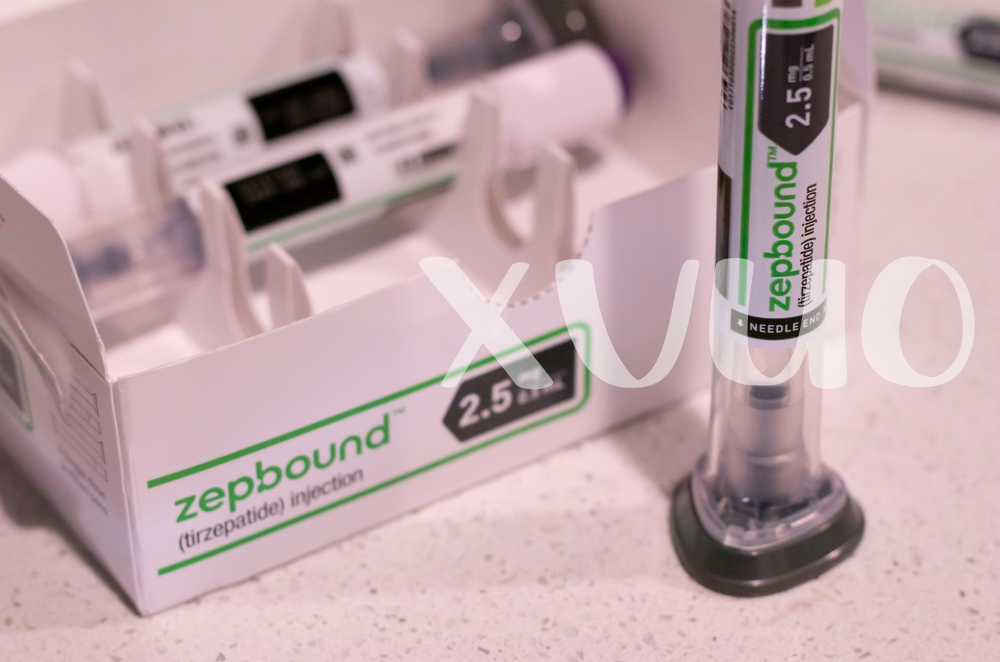
Starting Zepbound can feel exciting, but your body may need time to adjust. Many beginners notice nausea, mild stomach pain, constipation, diarrhea, or a reduced appetite during the first few weeks. These reactions are often temporary and tend to ease as your system gets used to the medicine.
To stay comfortable, eat smaller meals, sip water throughout the day, and avoid greasy or very heavy foods. Some people find that bland snacks help when nausea appears, while fiber-rich choices and light movement can support digestion. Listening to your body matters, especially when zepbound changes your eating patterns.
If symptoms become strong, persistent, or interfere with daily life, speak with your doctor. Never force yourself to tolerate severe discomfort. A dose adjustment, timing change, or practical routine tweak can make treatment much easier and safer over time.
Important Safety Tips before Adjusting Dosage
Before changing a zepbound dose, pause and check the full picture. Take it only as prescribed, and never add extra medication on your own to “catch up” or speed results. A small adjustment can affect appetite, blood sugar, and stomach comfort more than expected, especially if you are also using insulin or other diabetes medicines. If you have nausea, vomiting, constipation, or low energy, those symptoms may be a sign your body needs more time before any increase.
A simple safety step is to track how you feel each week and share that record with your doctor. Mention any new medicines, supplements, or illness, since they can change how zepbound works.
| Check | Why it matters |
|---|---|
| Side effects | Helps decide if timing should change |
| Other meds | Reduces interaction risk |
| Meal habits | Supports better tolerance |
When to Talk to Your Doctor about Changes
If your side effects suddenly worsen, your blood sugar changes, or you feel unable to keep up with the prescribed plan, that is a good time to check in with your doctor. Small adjustments can make treatment safer and more comfortable, especially during the first few dose changes.
You should also reach out if you miss several doses, take another medication that may interact with Zepbound, or notice symptoms such as severe nausea, vomiting, dehydration, or persistent abdominal pain. These signs may mean your dose needs review before you continue.
A quick conversation can prevent bigger problems later and help your treatment stay on track. Your doctor can decide whether to pause, slow the increase, or move forward based on your response. FDA Zepbound information NCBI tirzepatide review